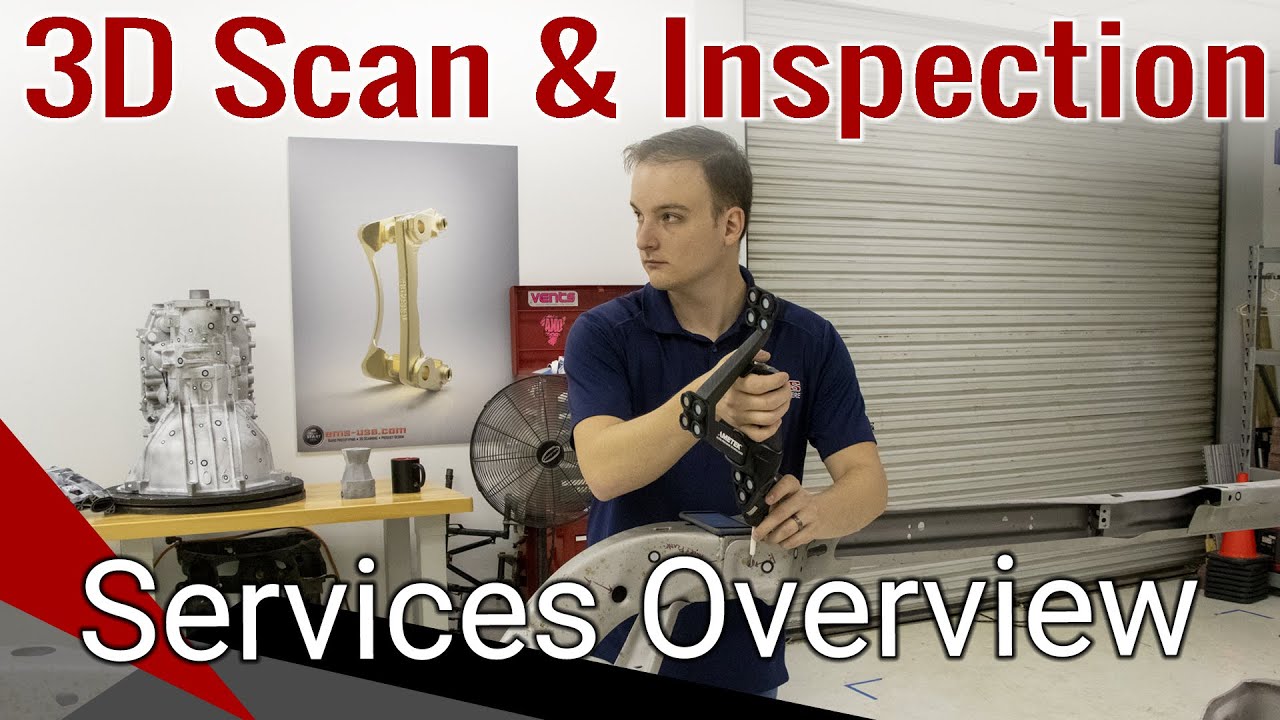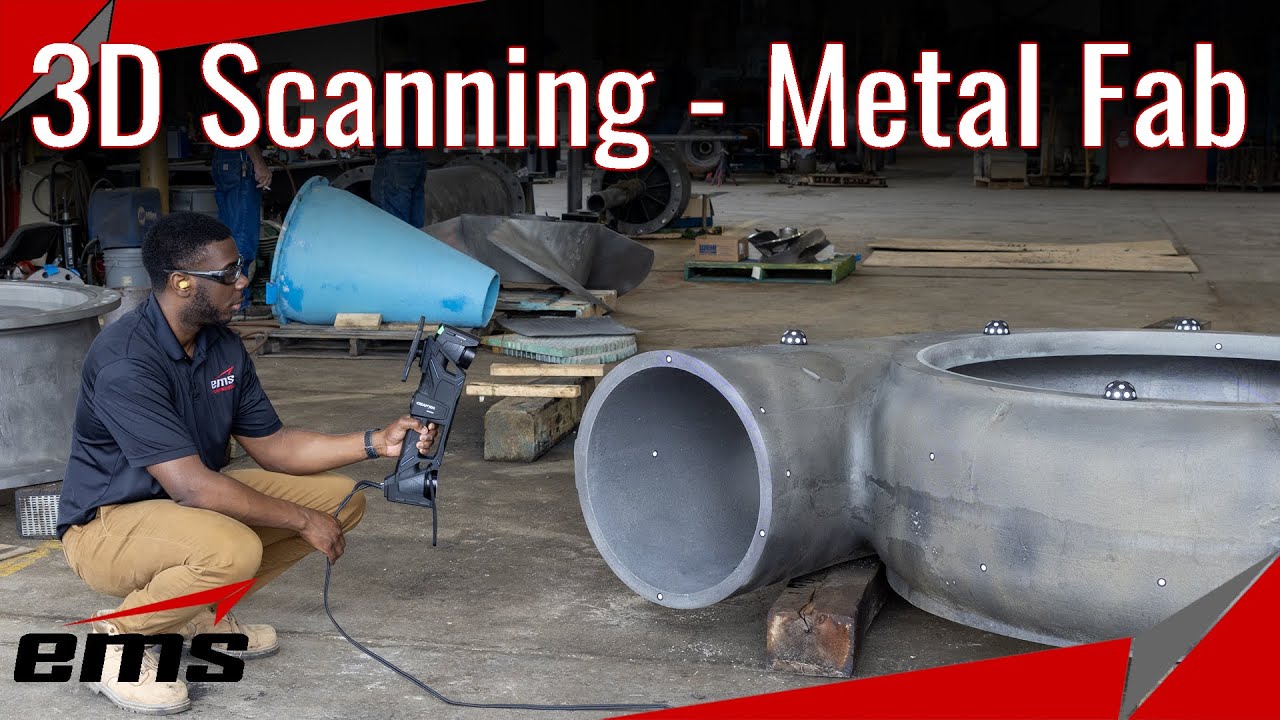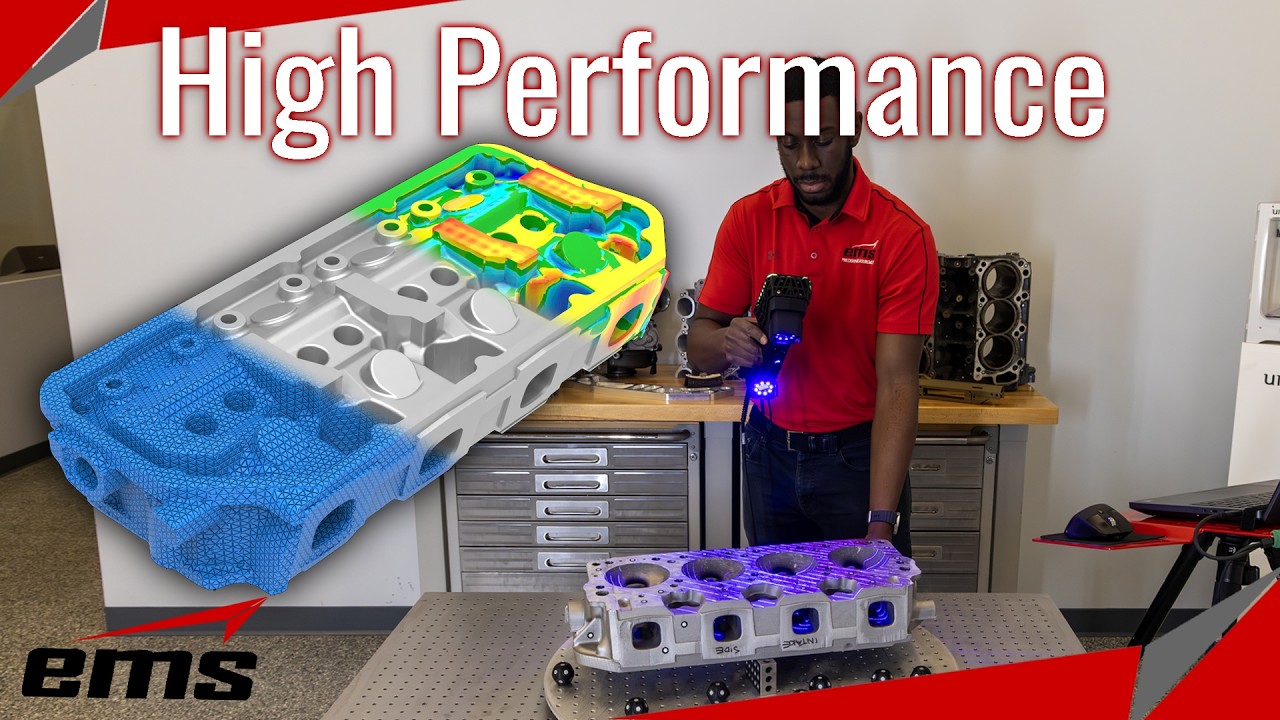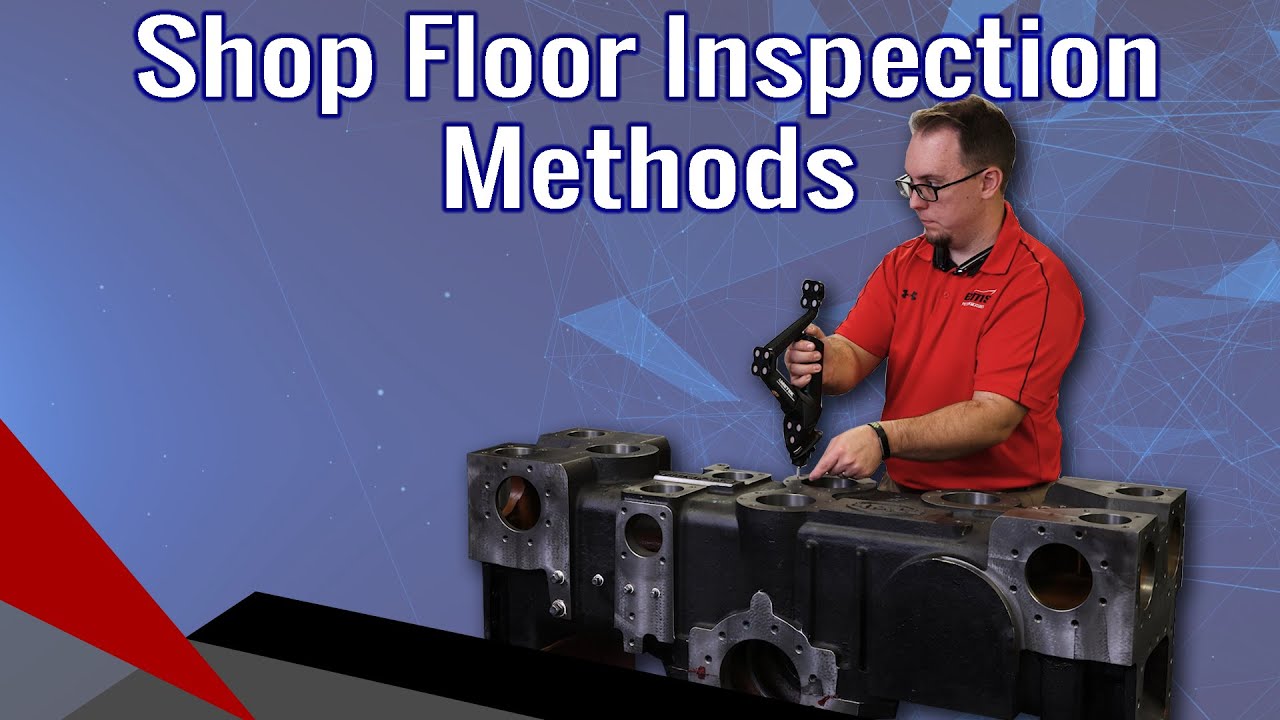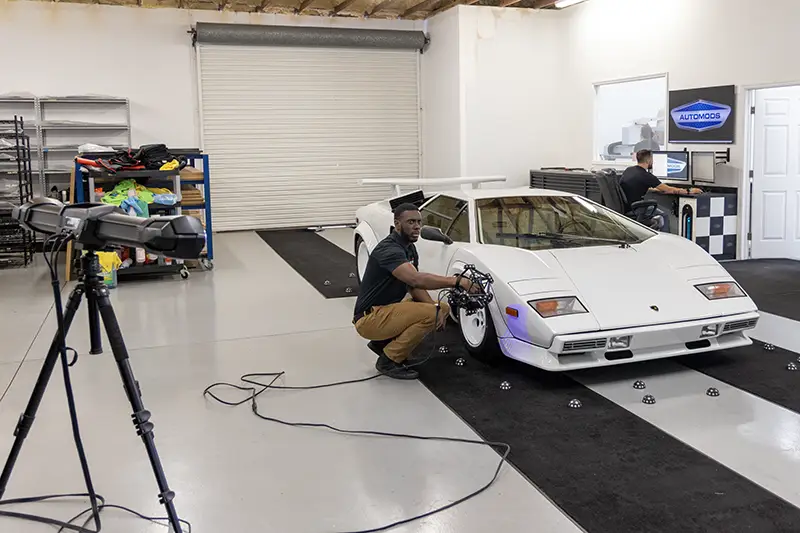

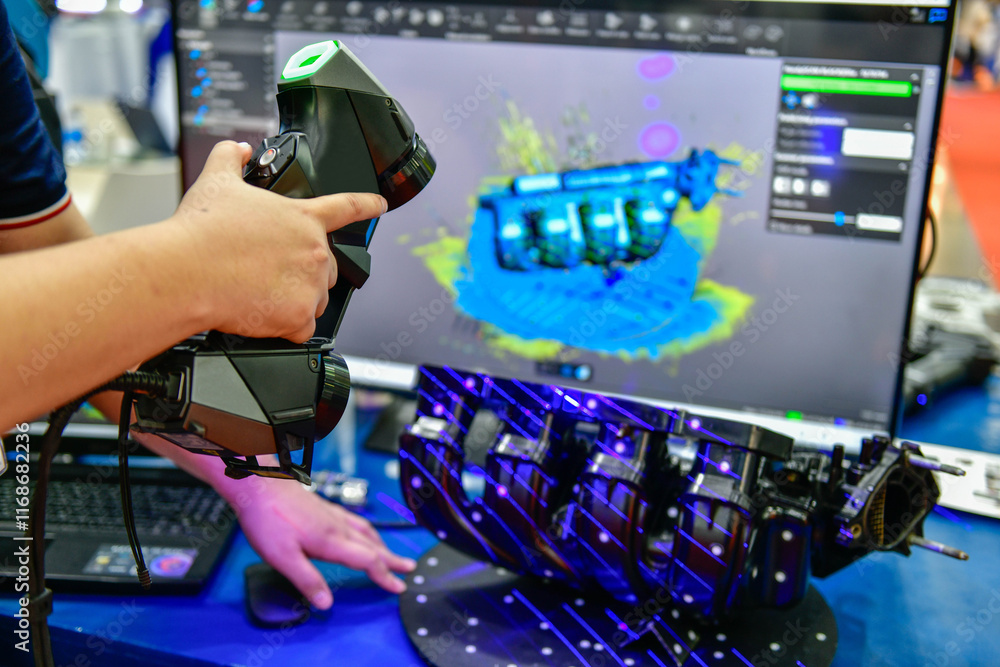
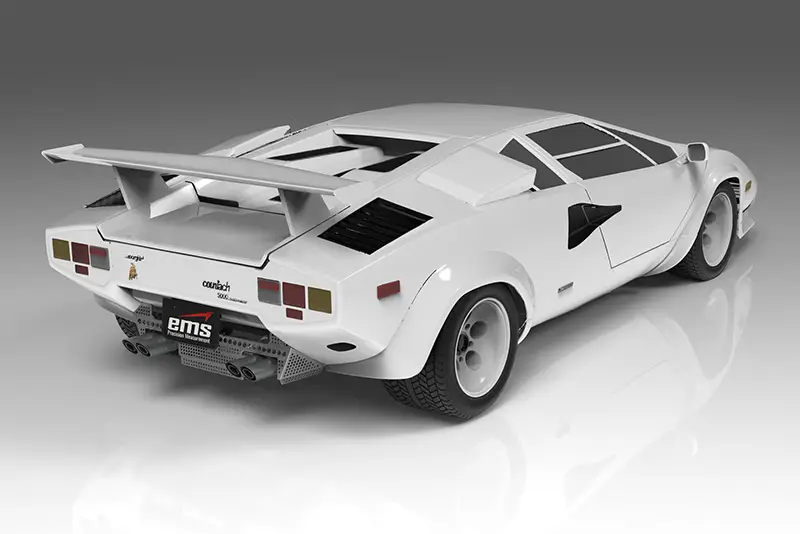
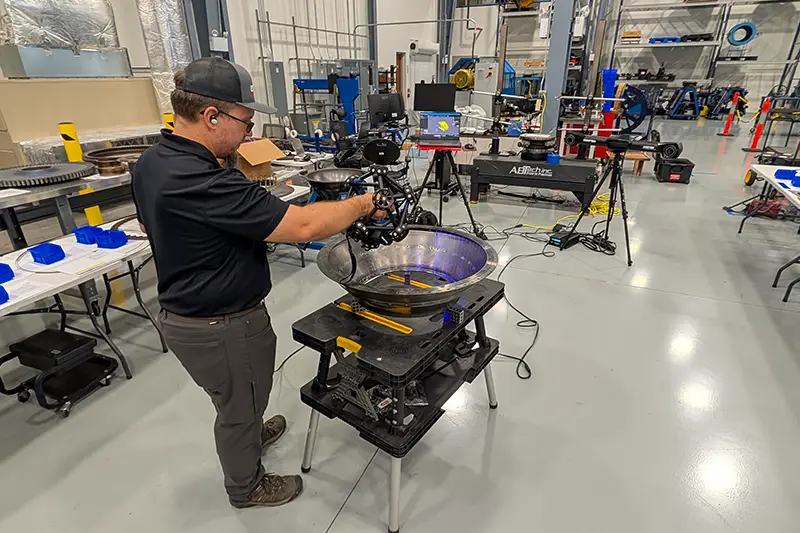
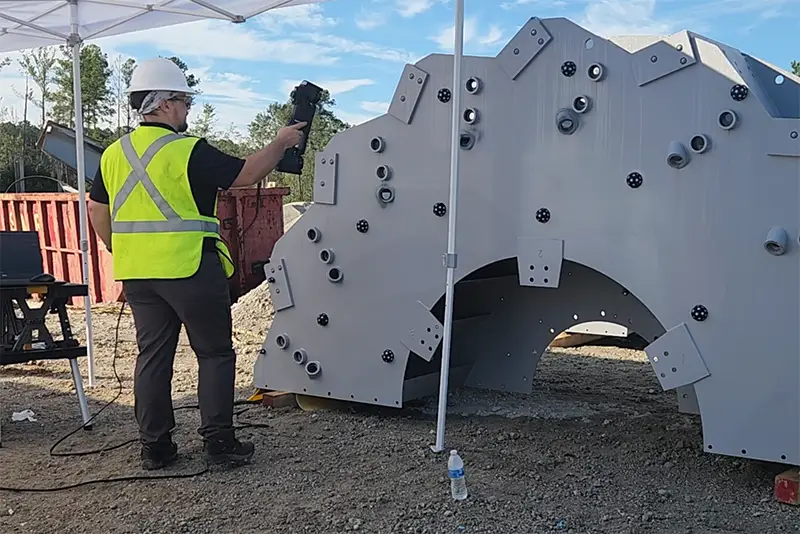
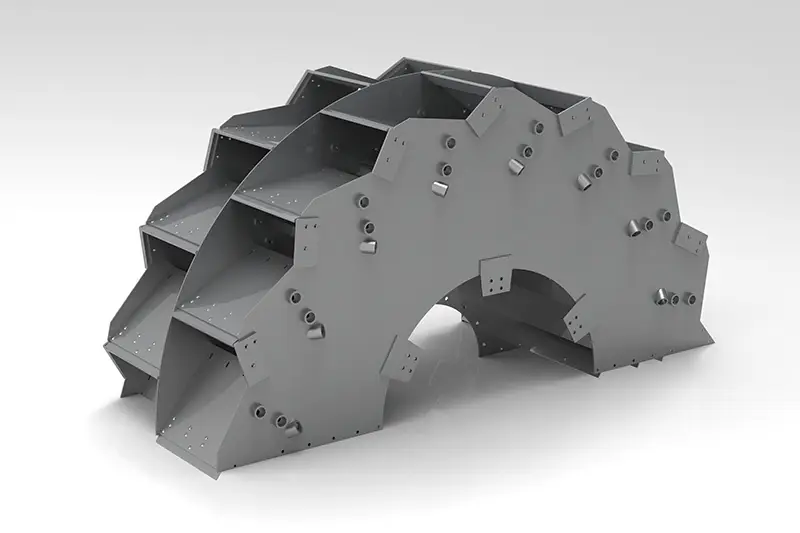
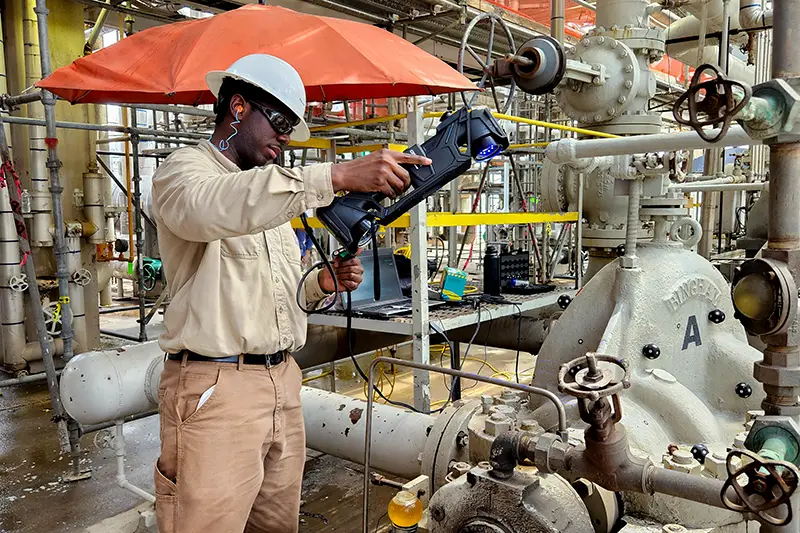
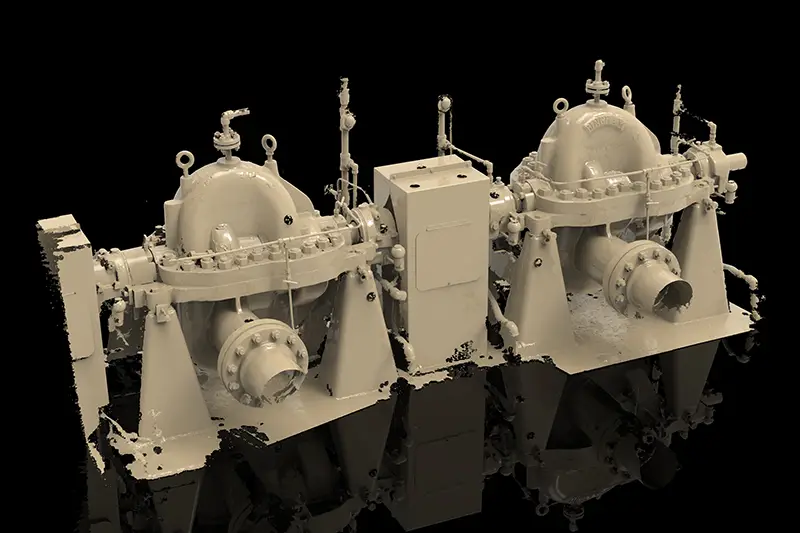
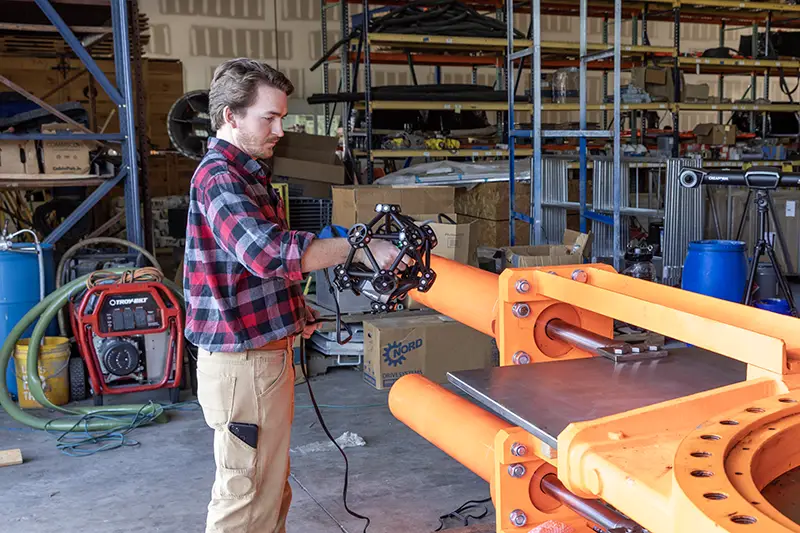
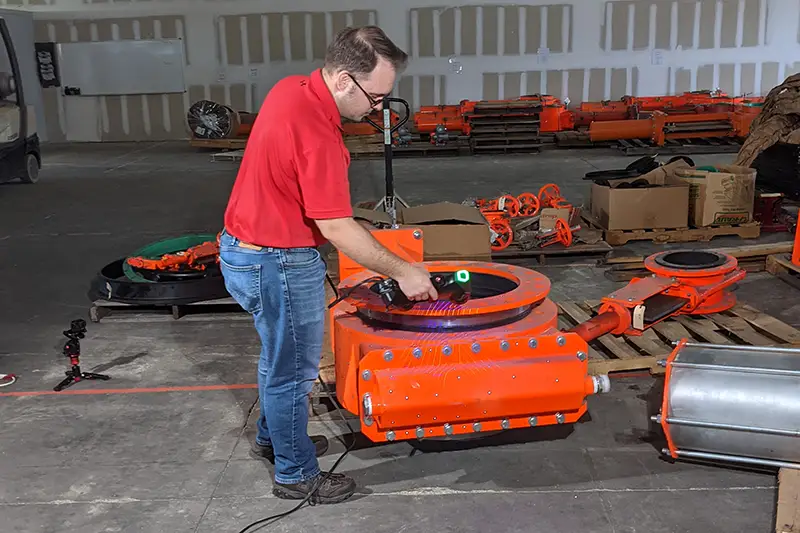
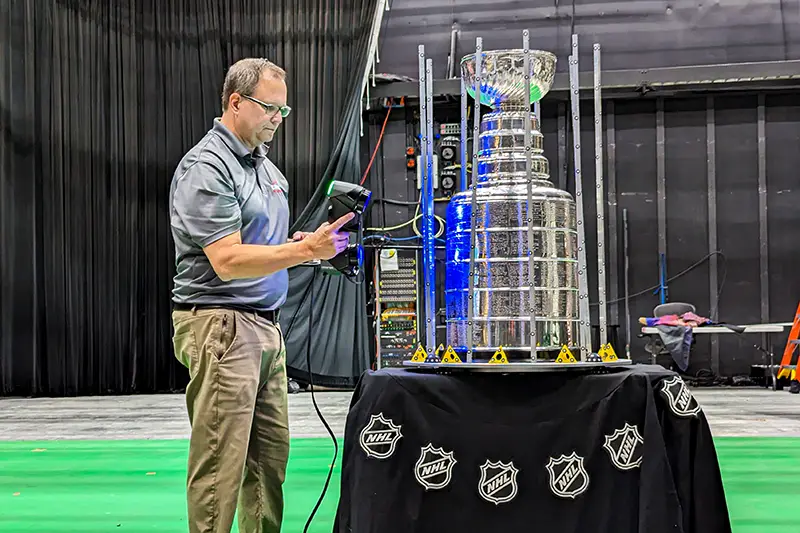

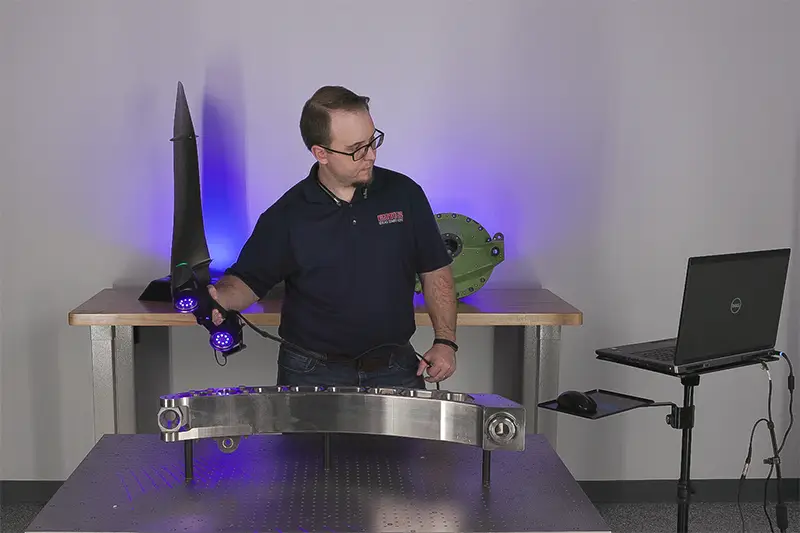
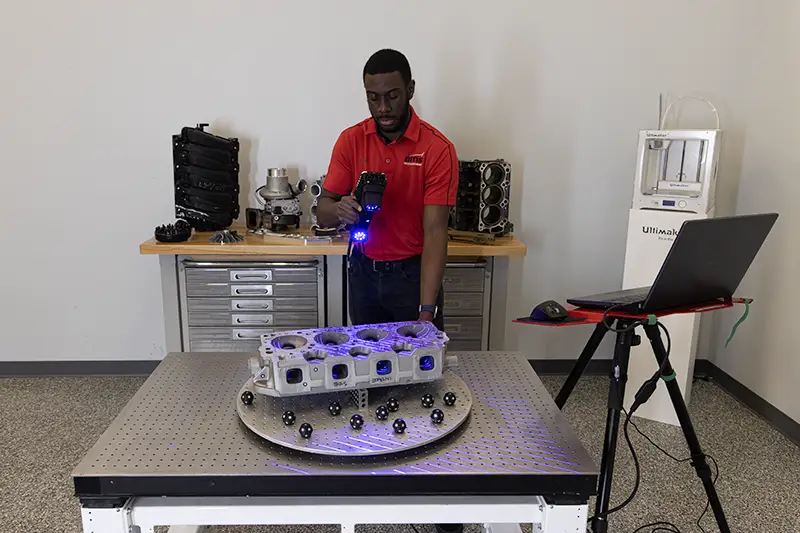
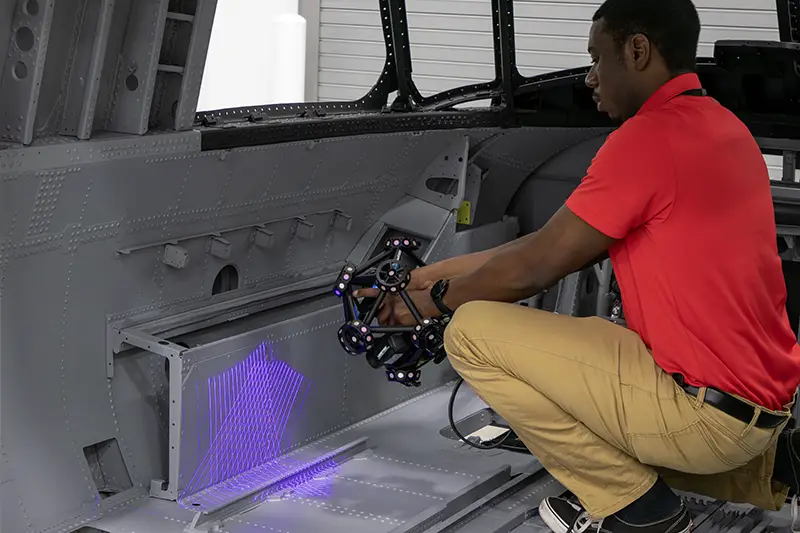
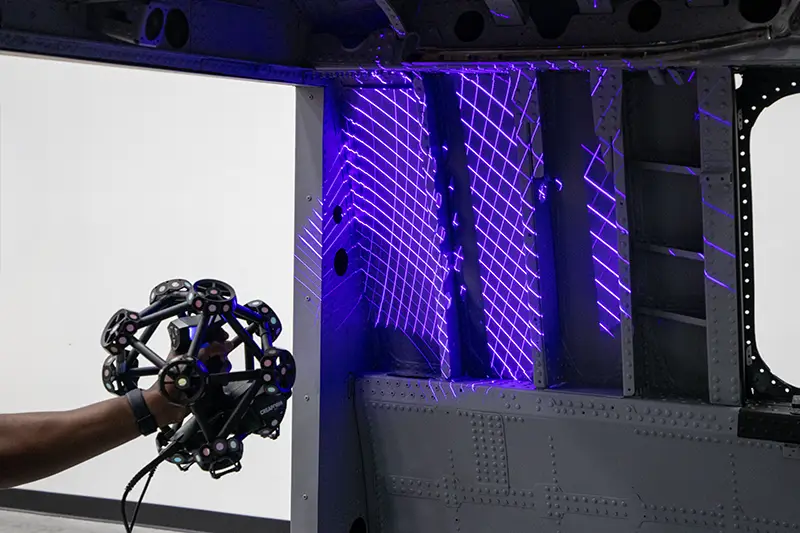
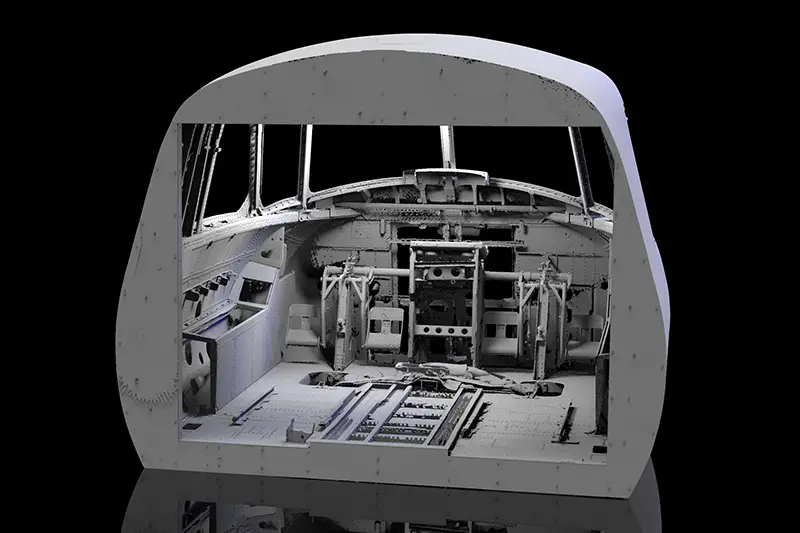
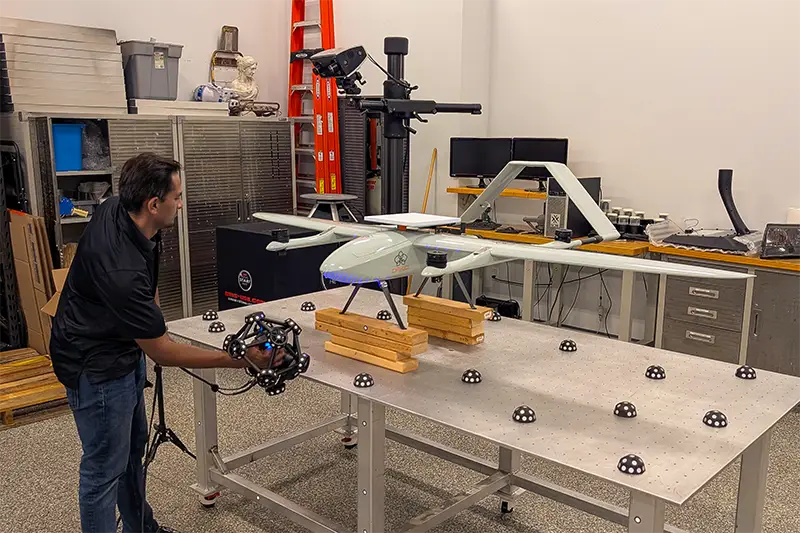
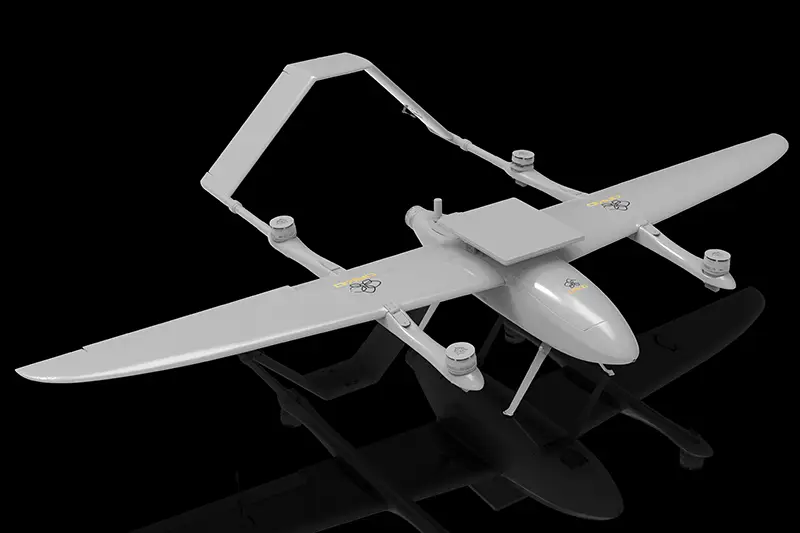
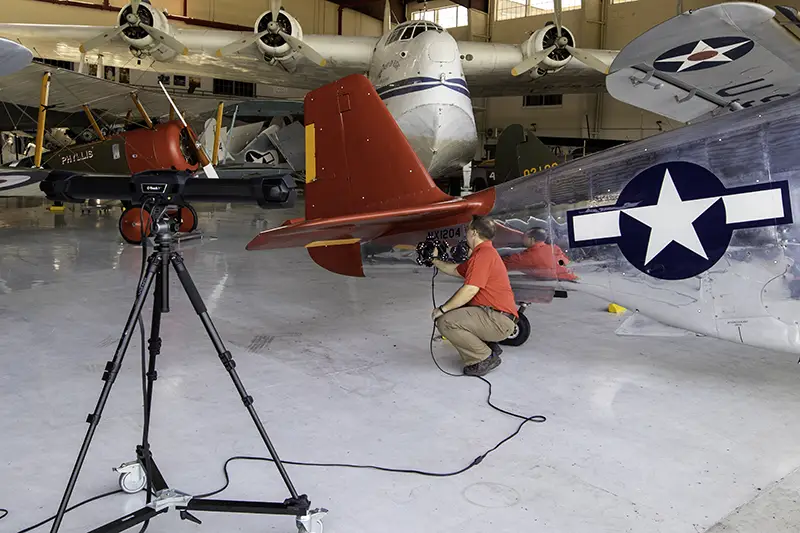
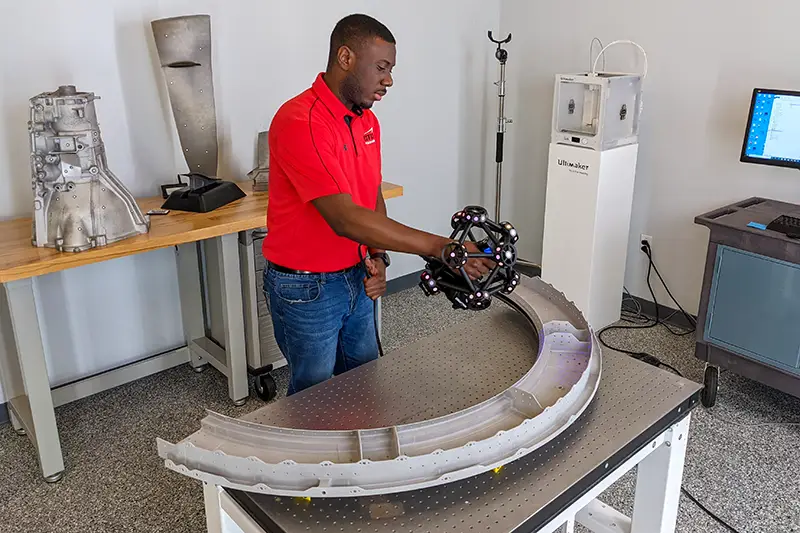
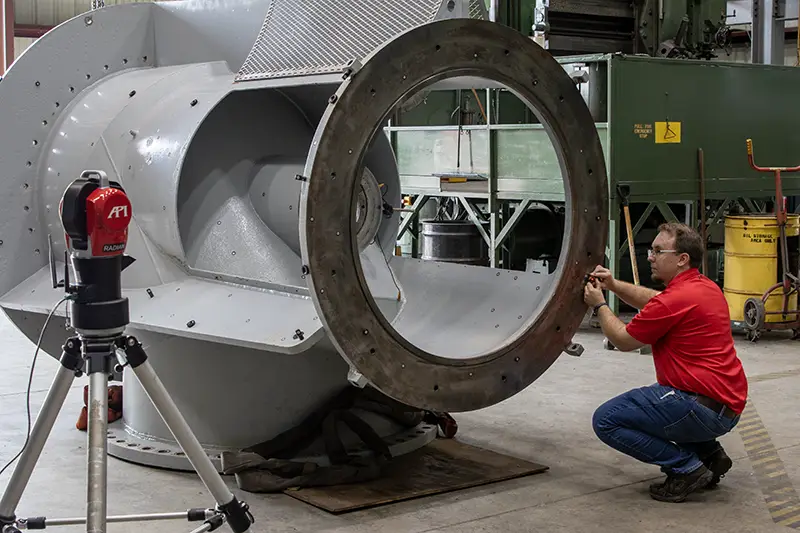
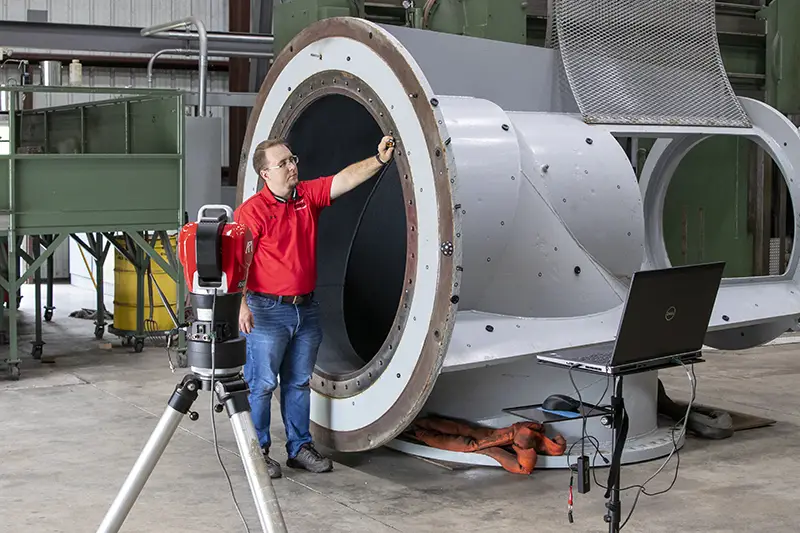
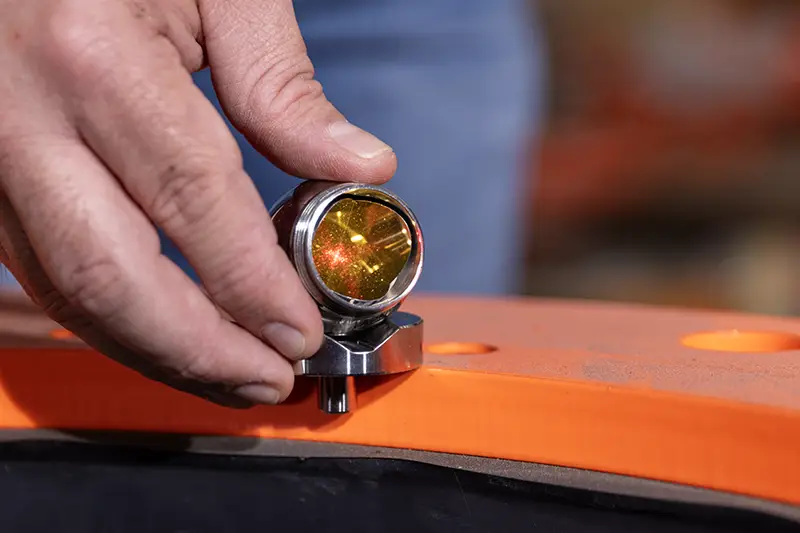
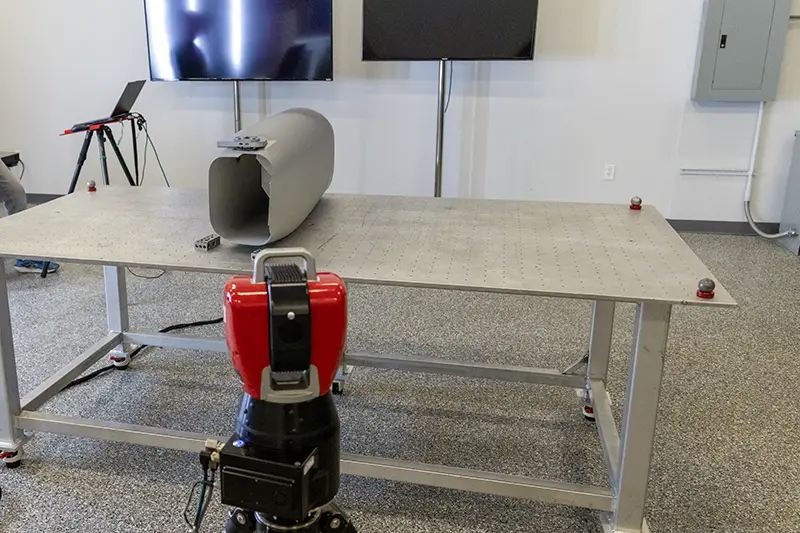
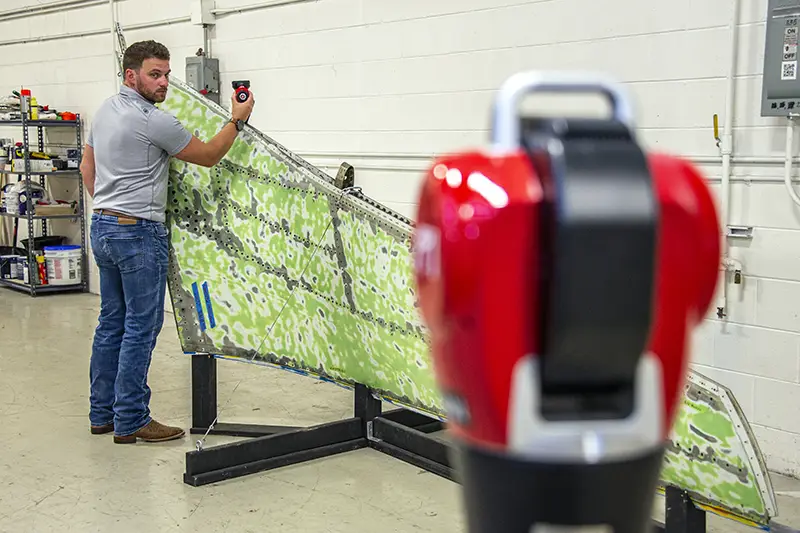
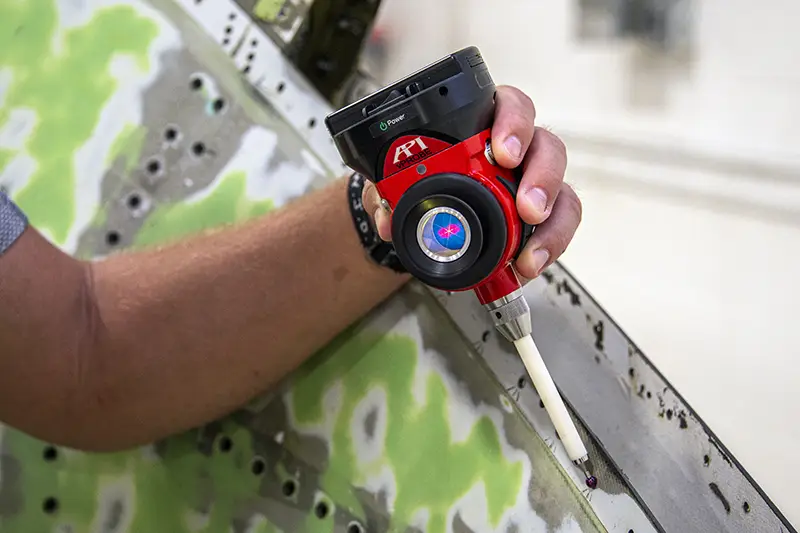
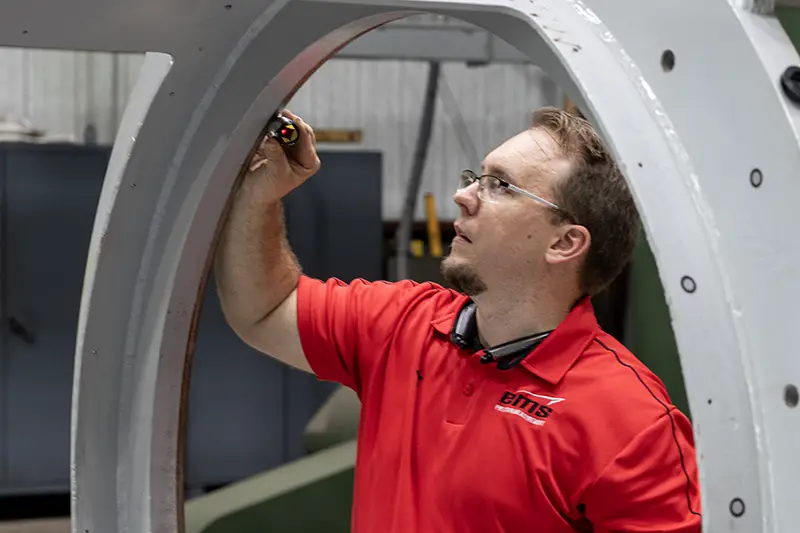
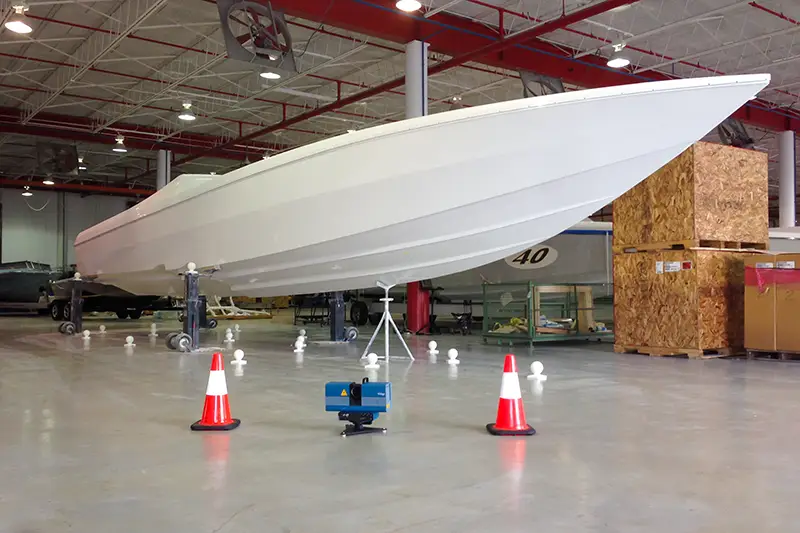
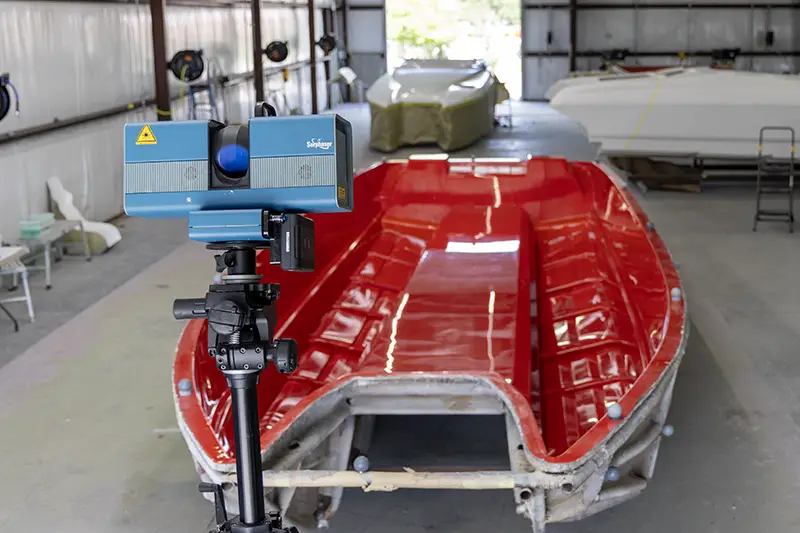
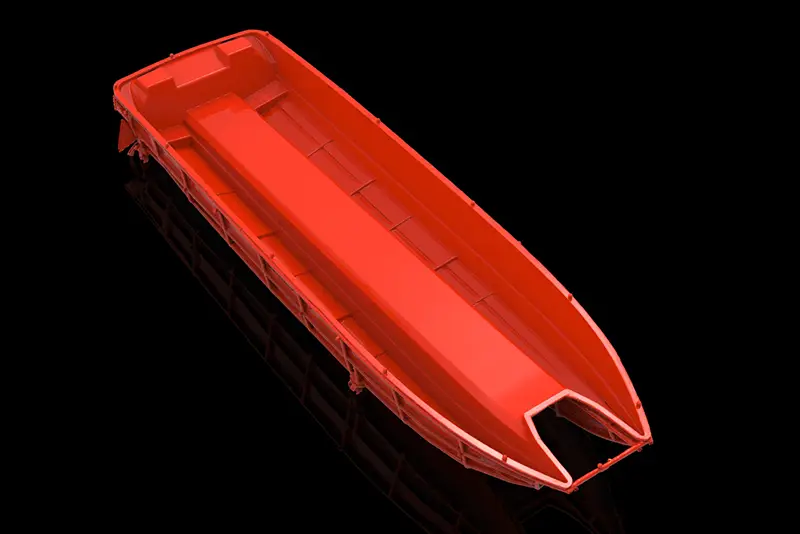
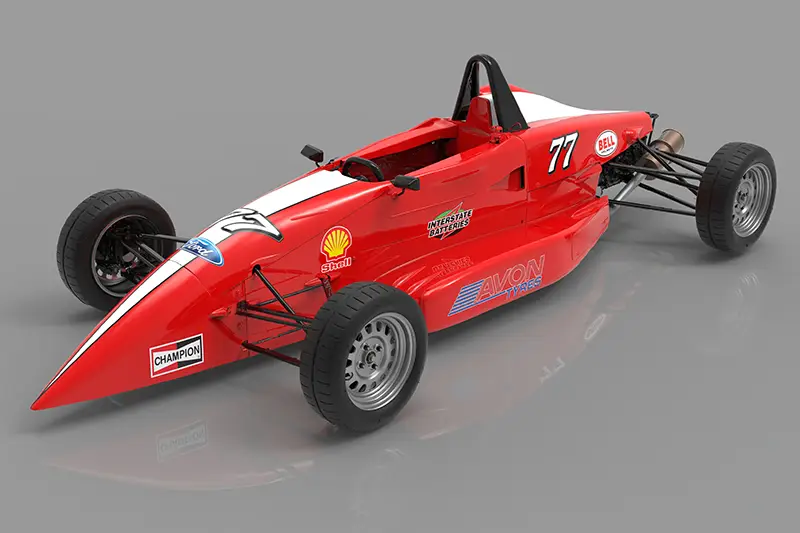
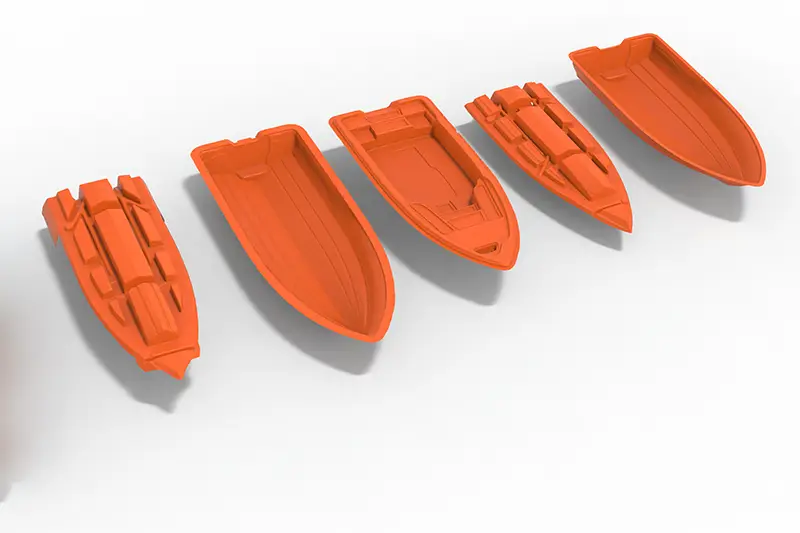
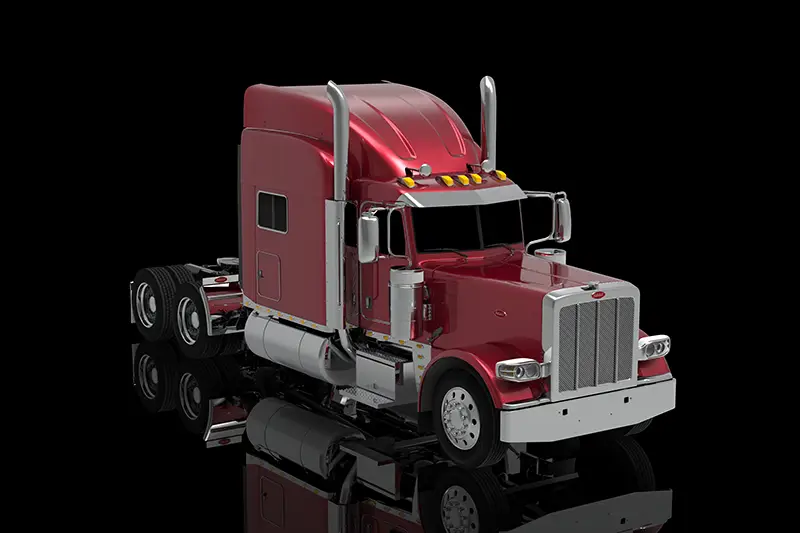
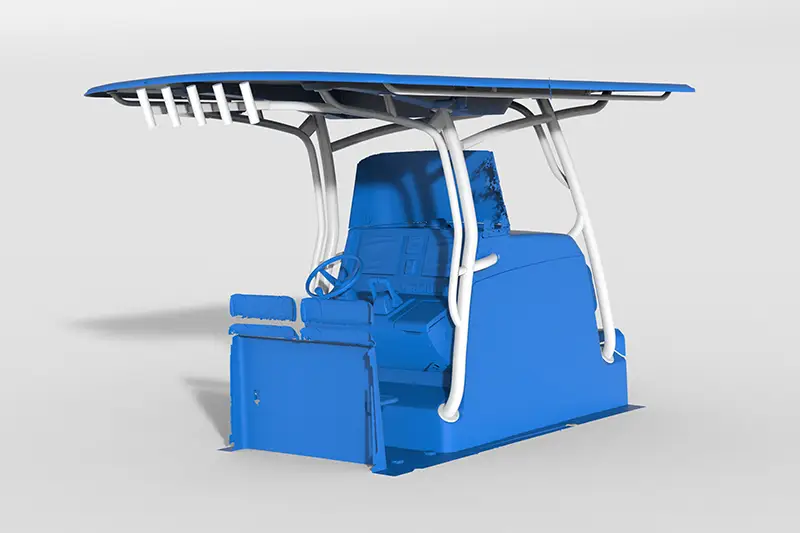
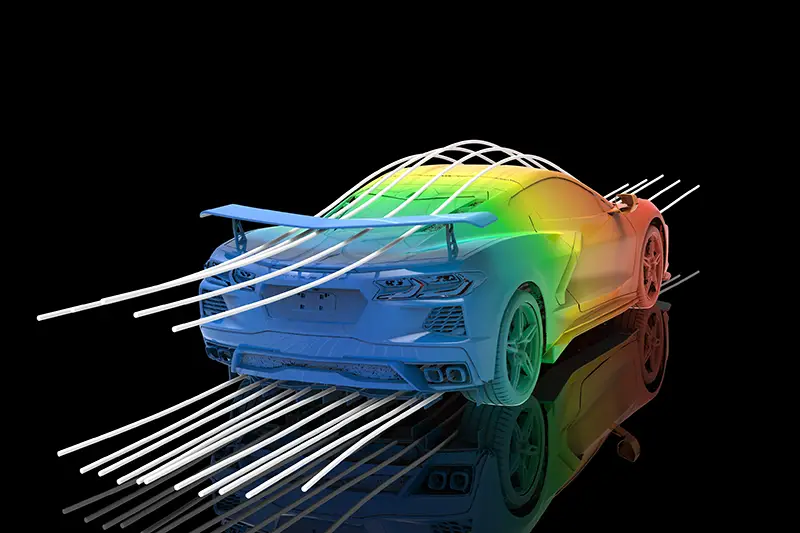
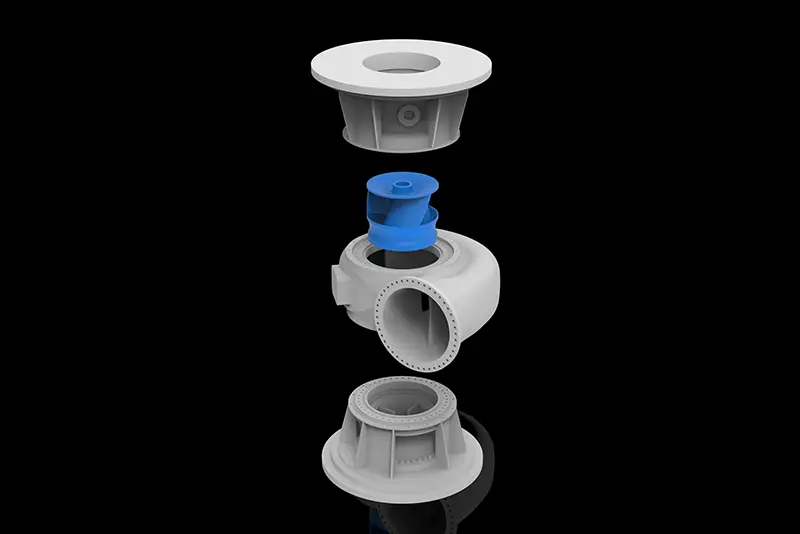
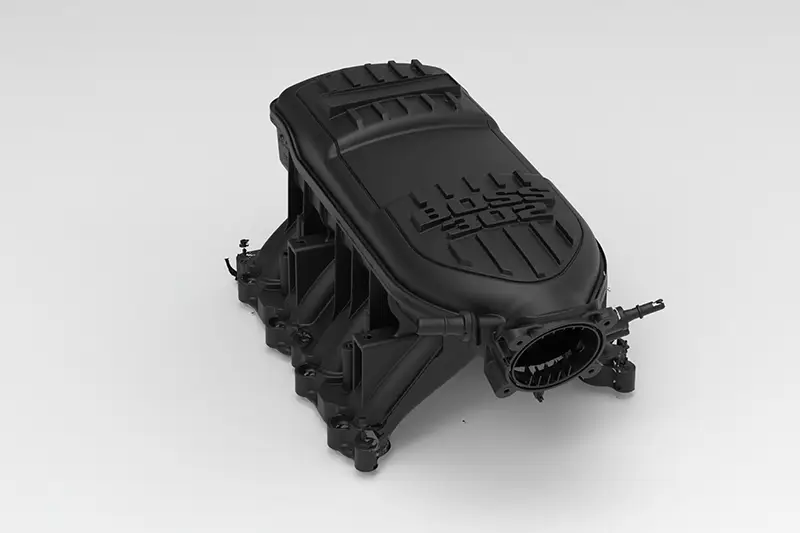
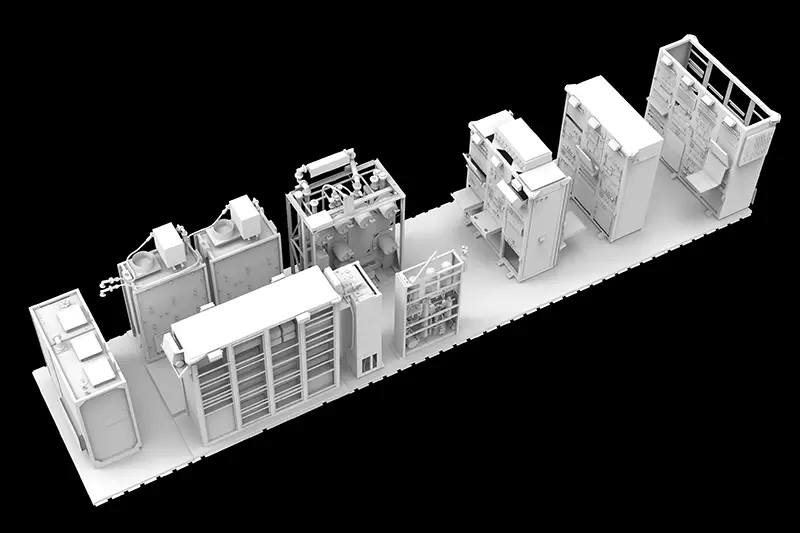
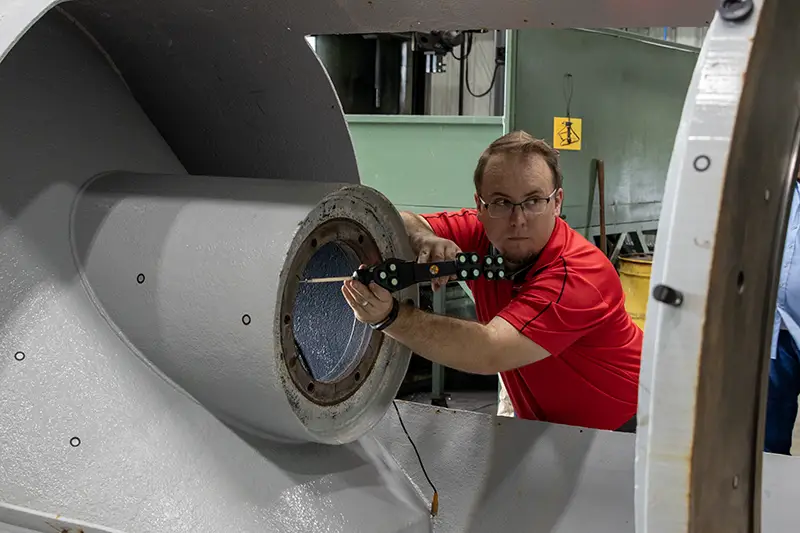
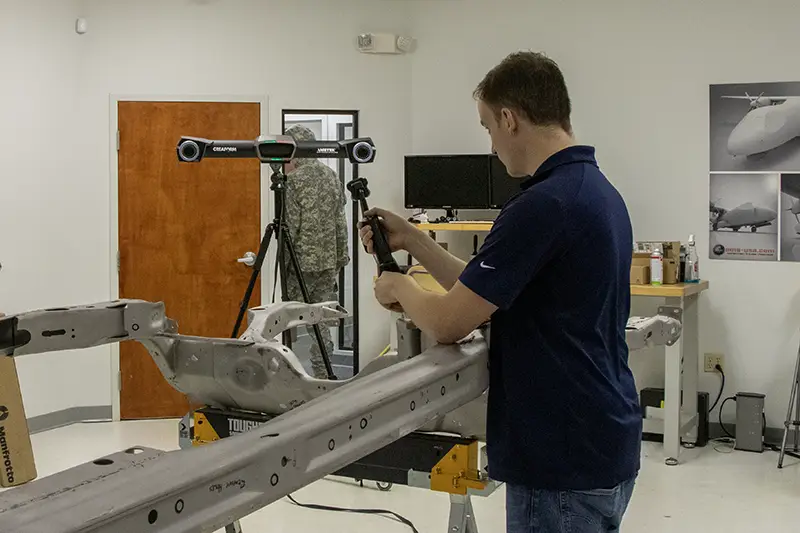
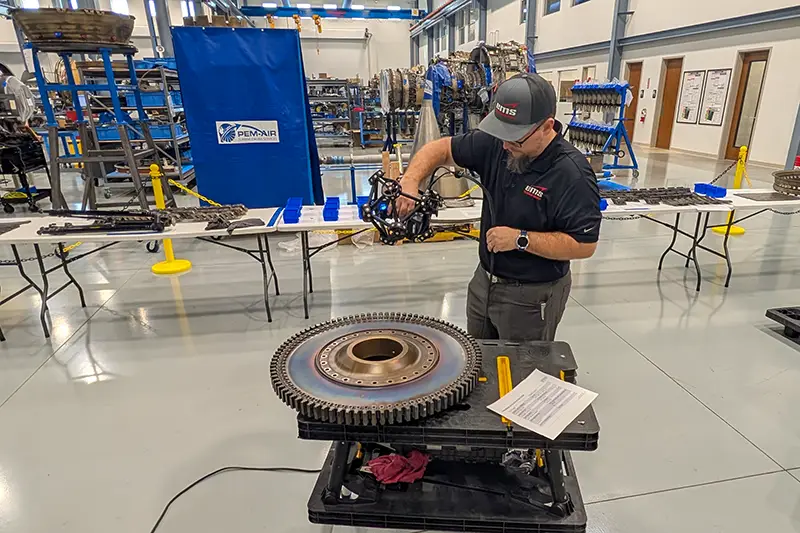
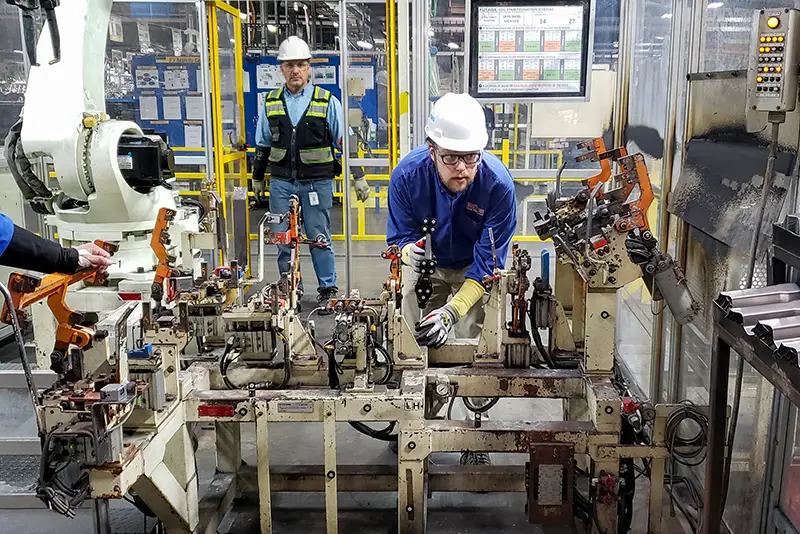
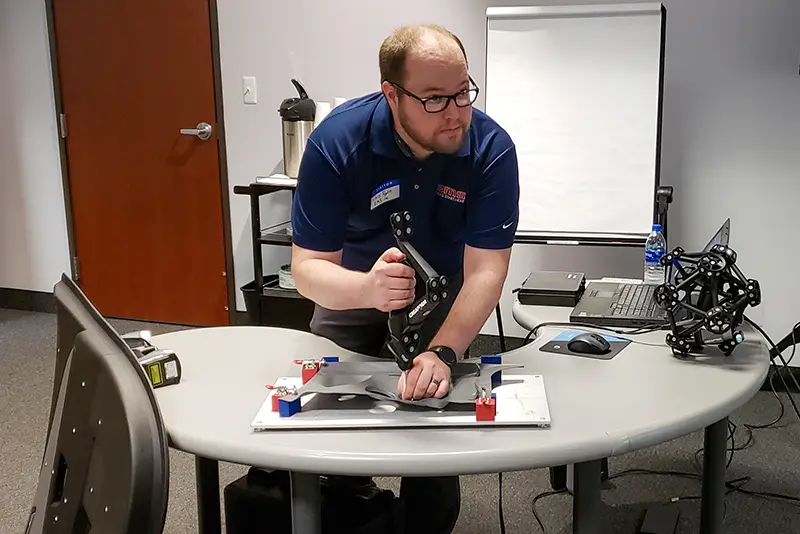
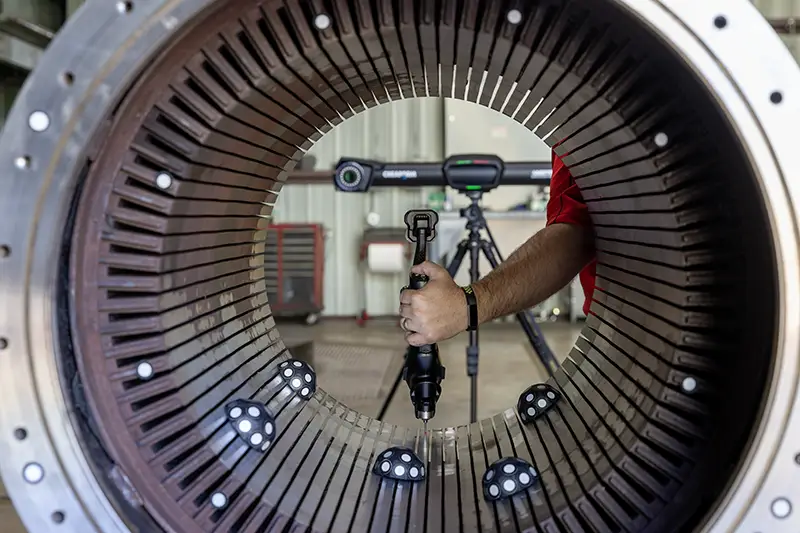
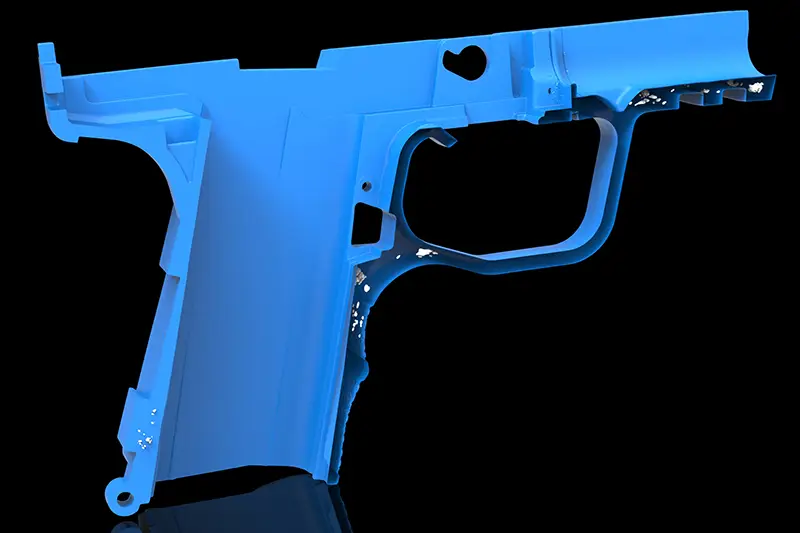



Portable handheld 3D scanning is a fast and highly accurate method of capturing the exact shape and geometry of physical objects using advanced laser and optical scanning technology. Unlike traditional measurement methods, handheld 3D scanners allow parts to be digitized quickly and efficiently without fixtures, probes, or lengthy setup times. These systems capture millions of precise data points to create detailed 3D models used for inspection, reverse engineering, CAD modeling, product development, and quality control.
At EMS3D, we utilize ISO-certified and fully calibrated handheld 3D scanning equipment capable of achieving accuracies down to 15 microns depending on the application and part size. Our portable scanning systems allow us to capture everything from small precision components to large industrial assemblies directly on the shop floor, in the field, or at customer facilities.
Benefits of handheld 3D scanning include:
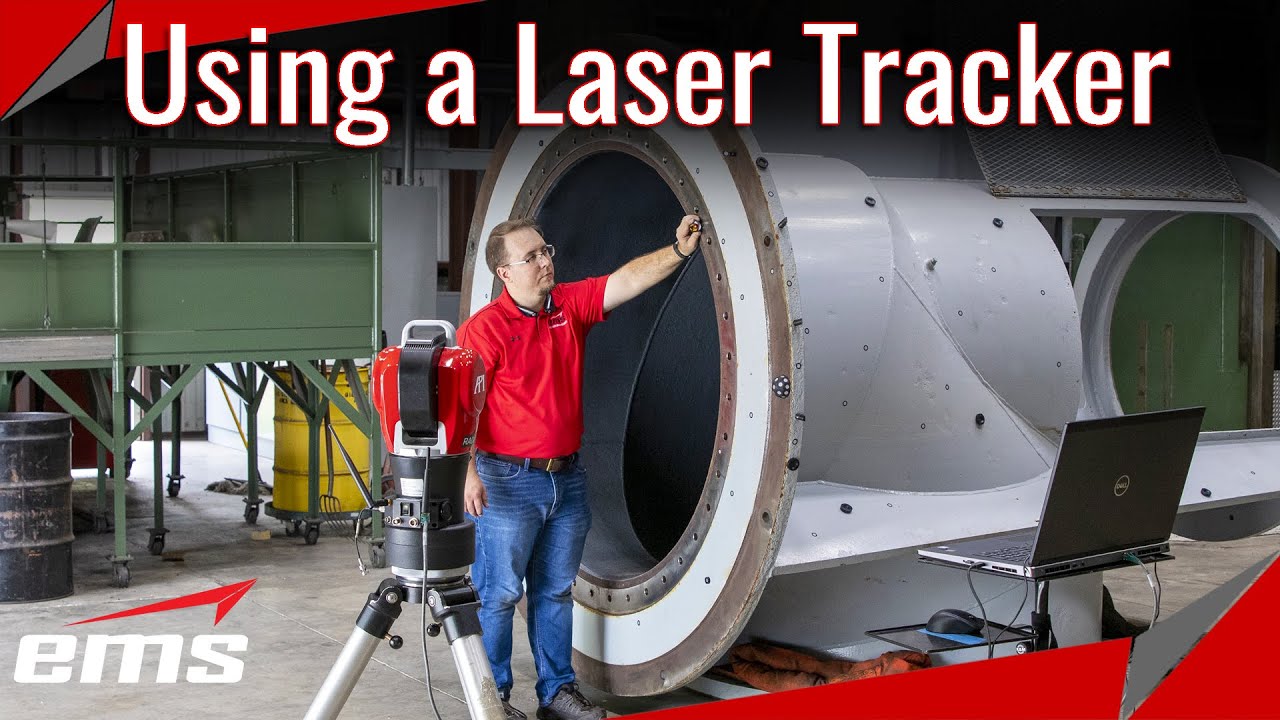
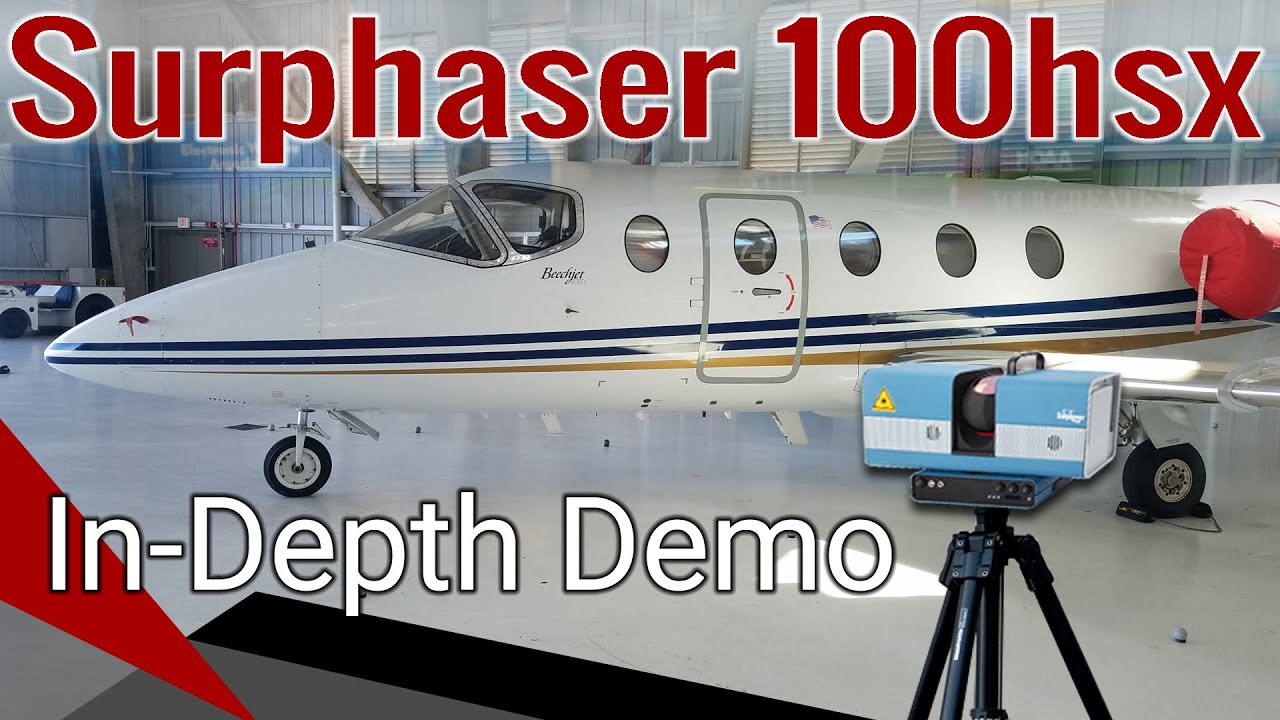
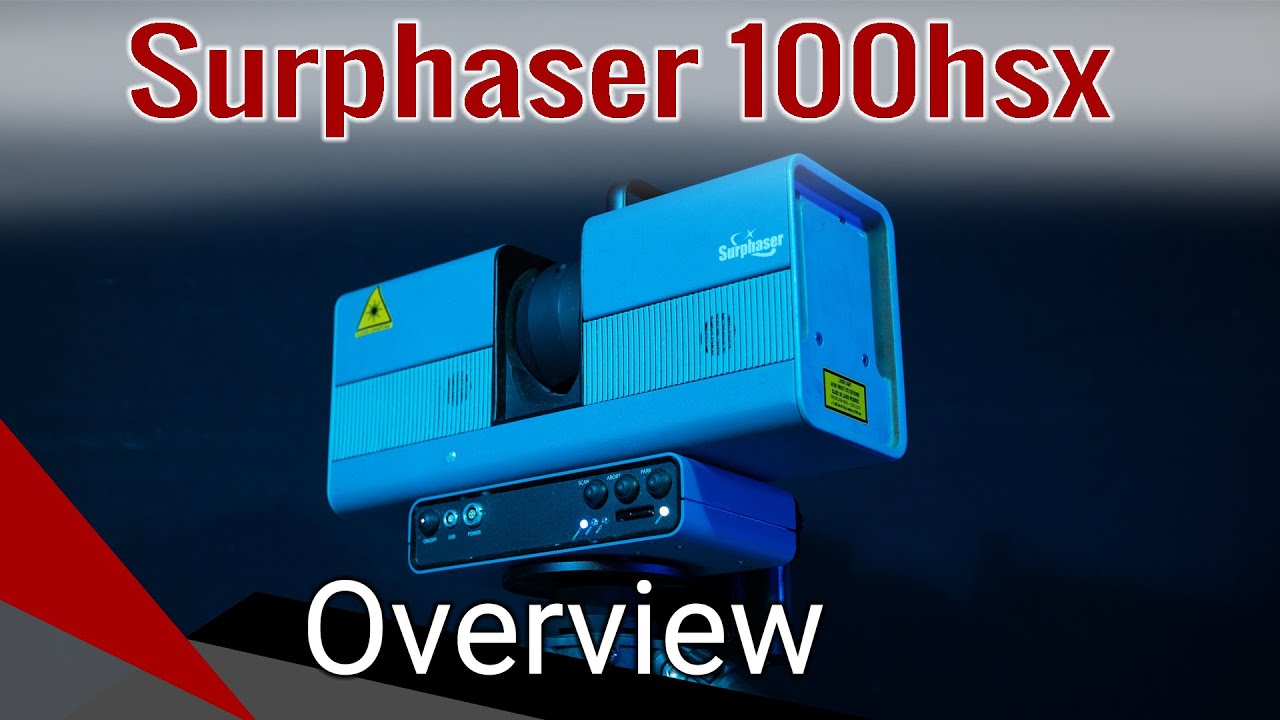
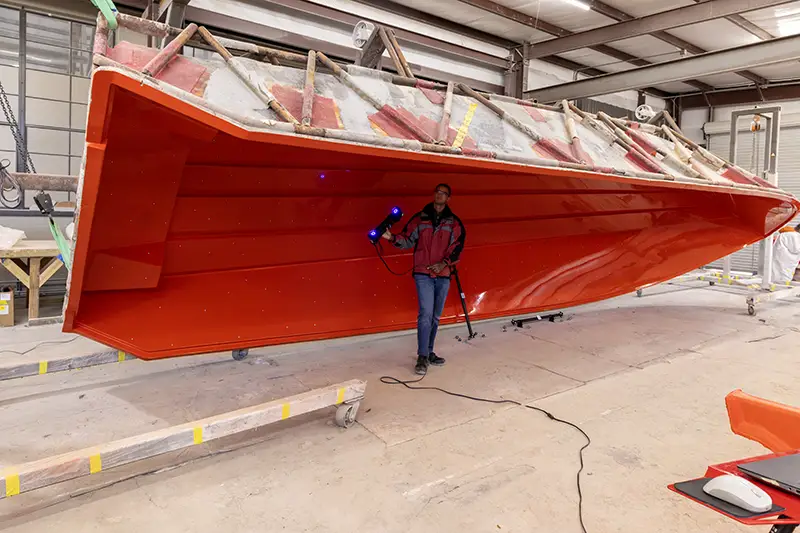
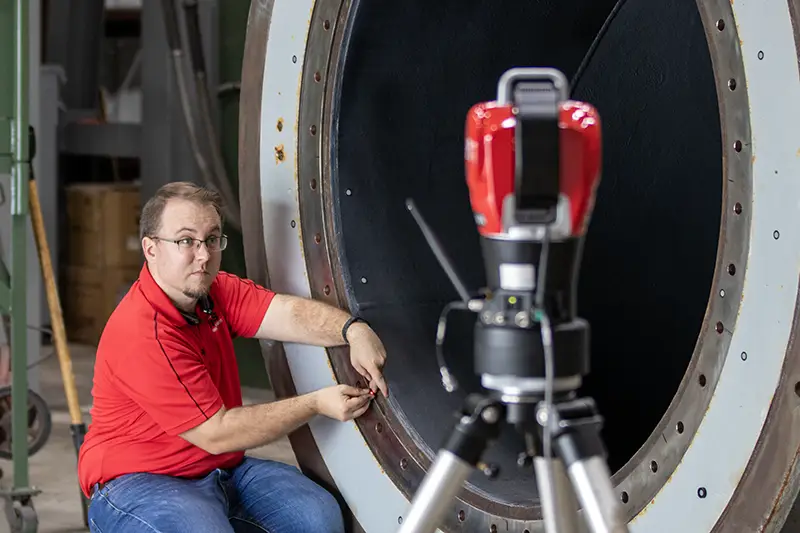
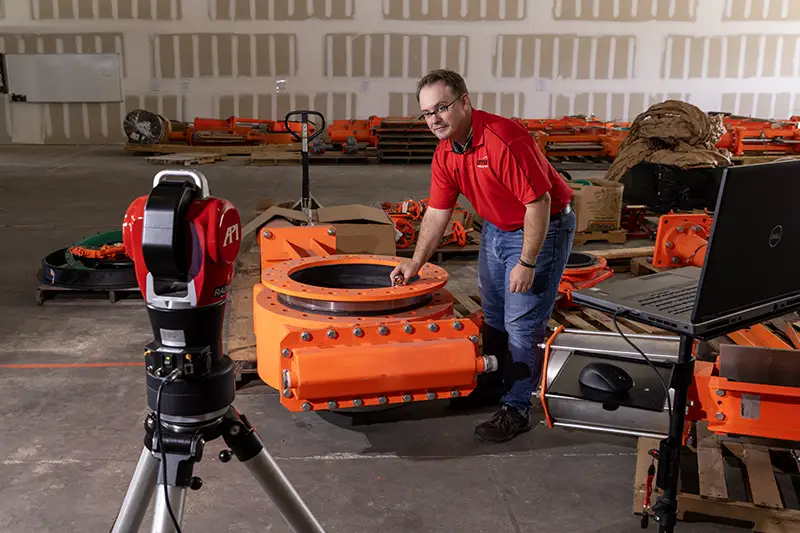
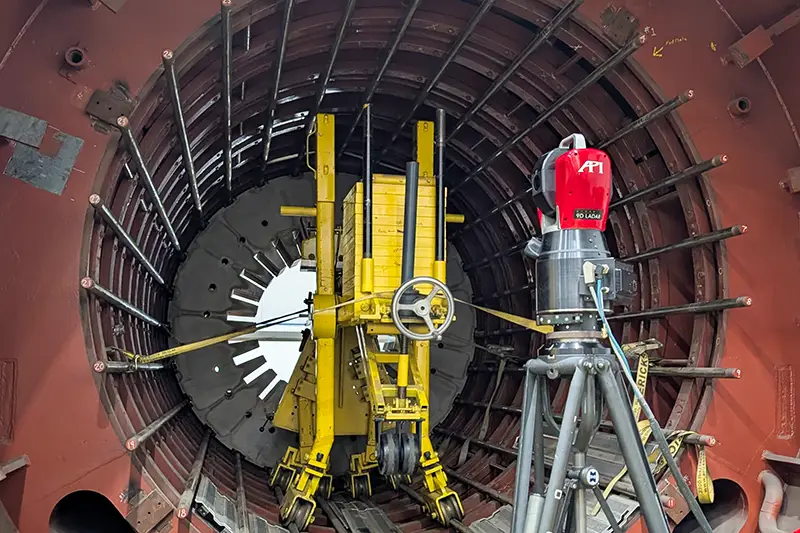
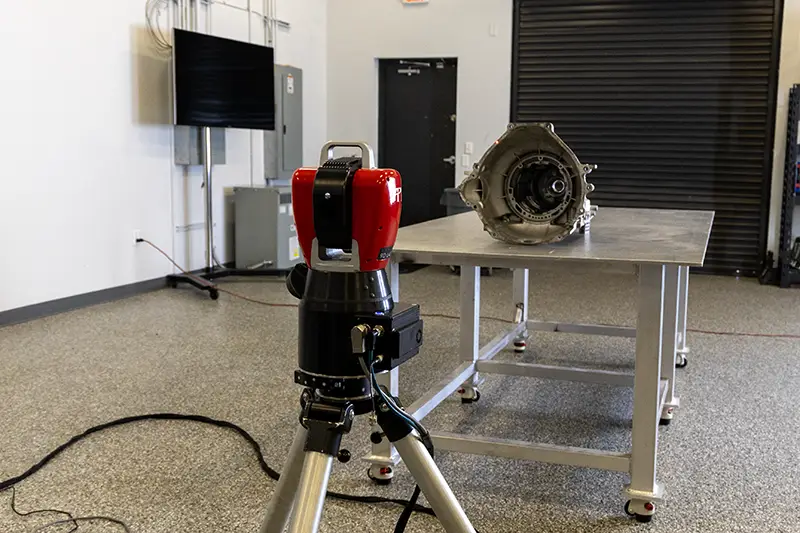
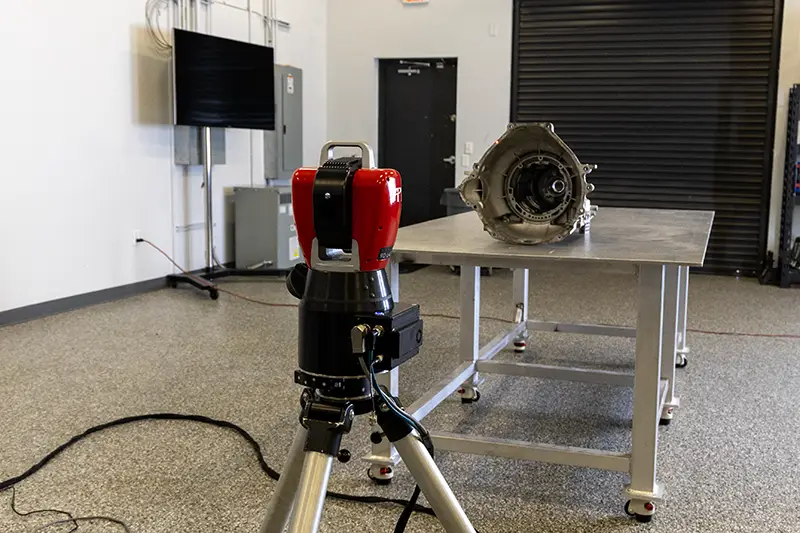
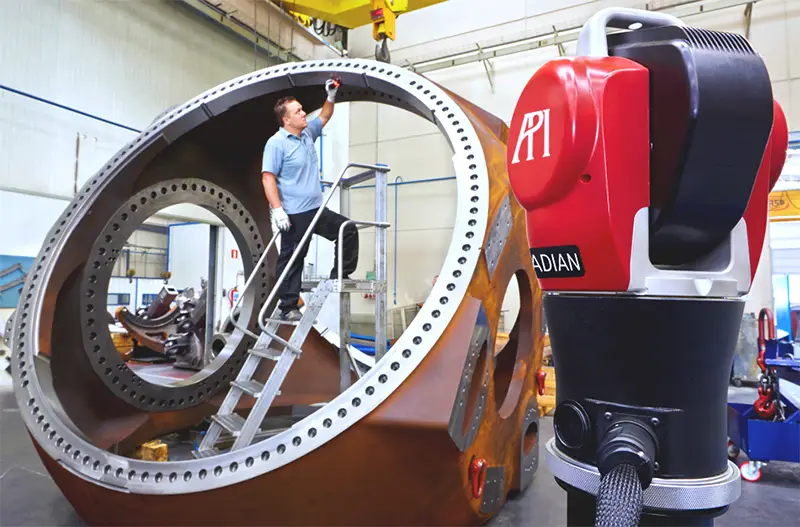
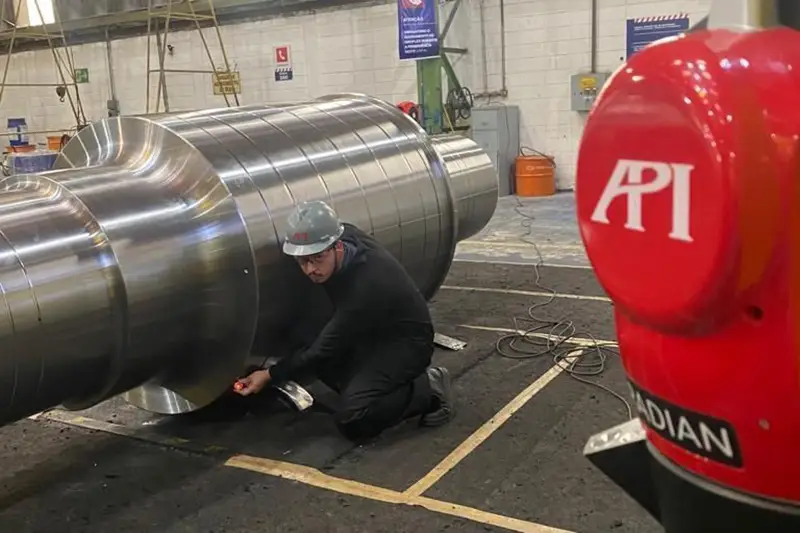
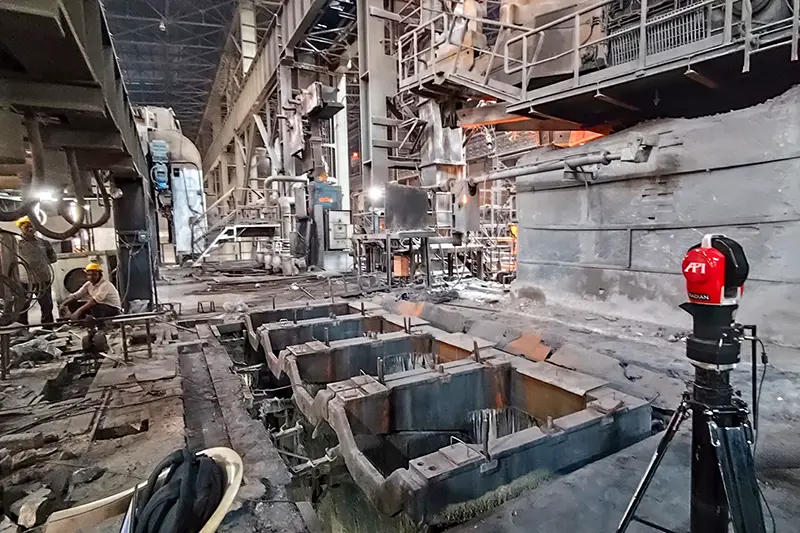
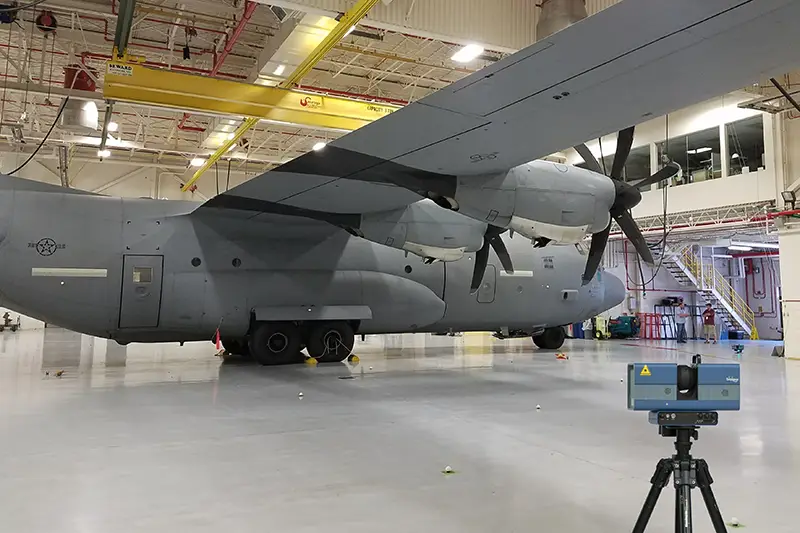
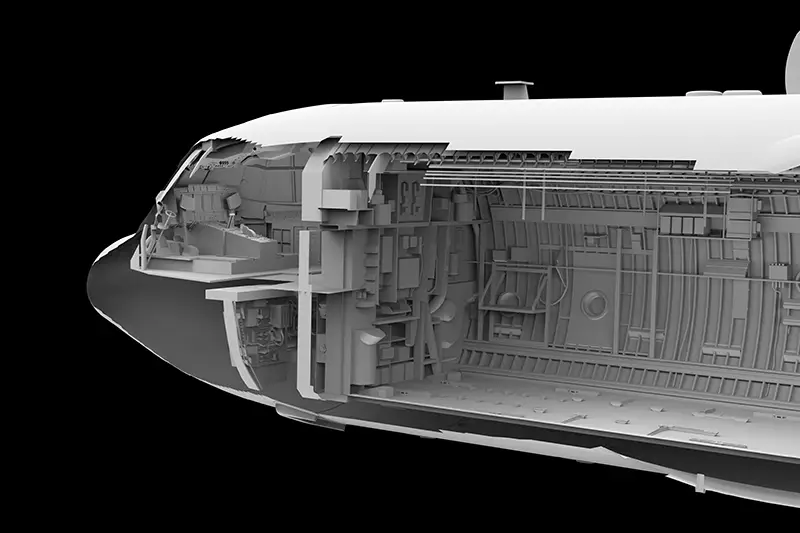
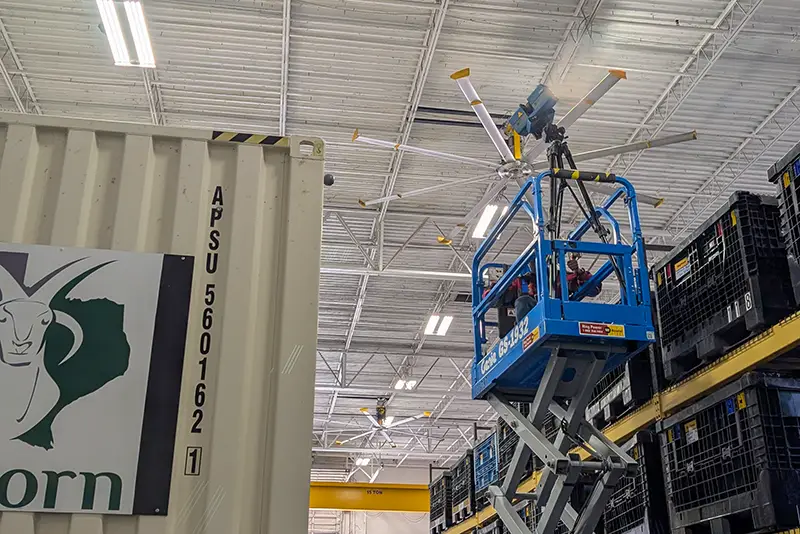
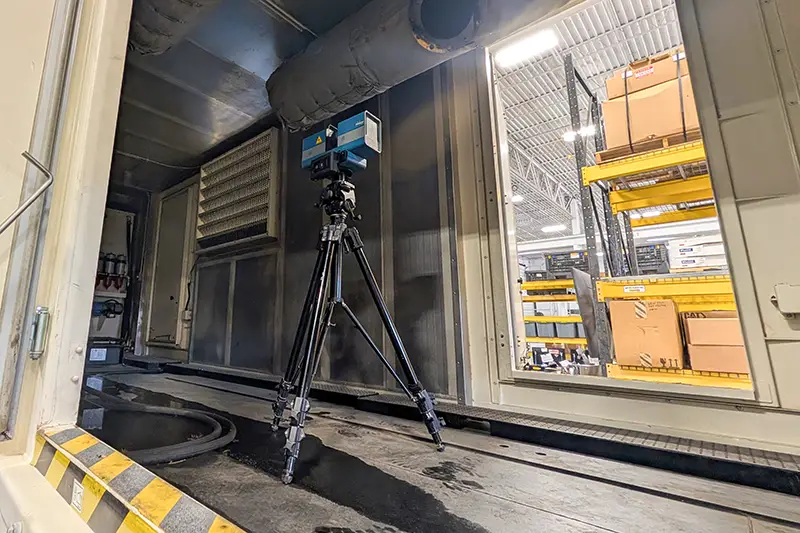
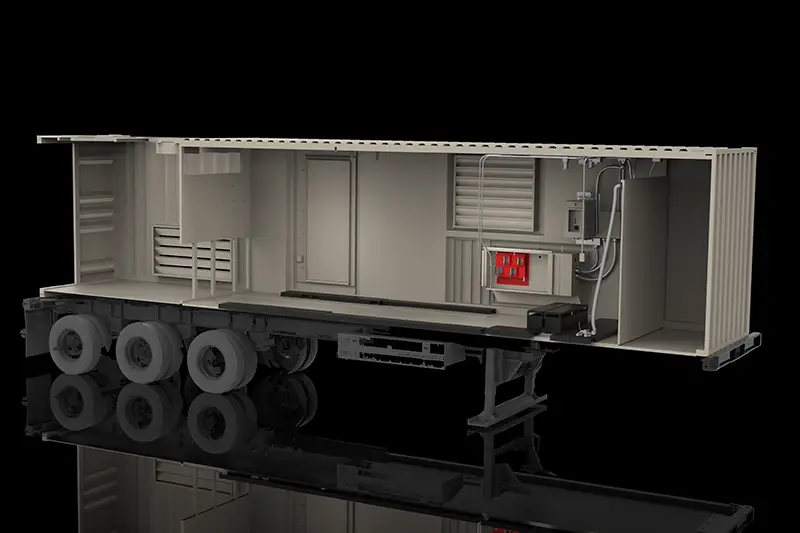
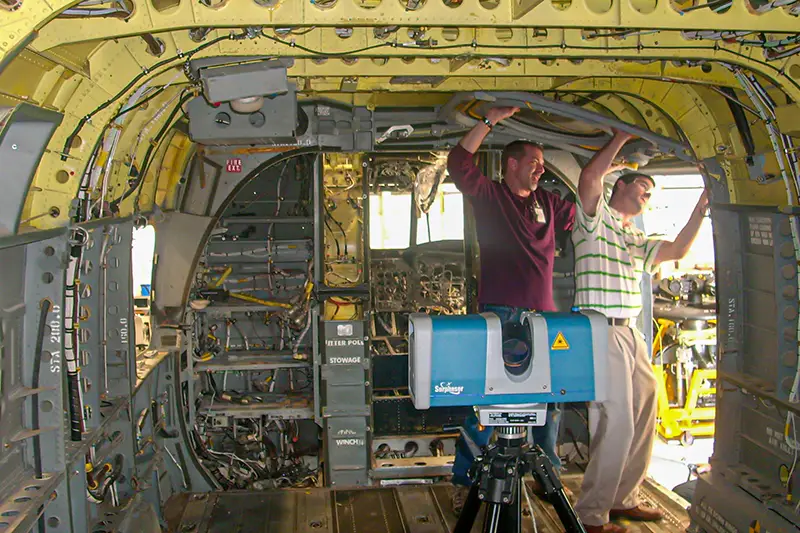
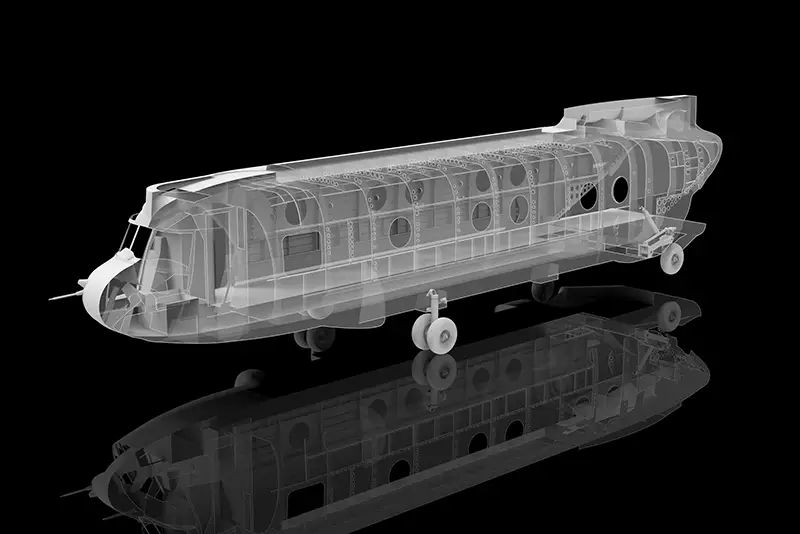
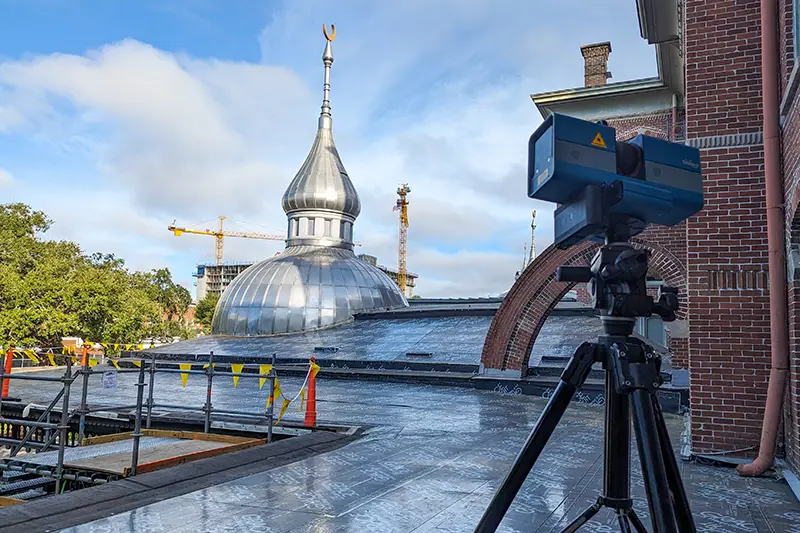
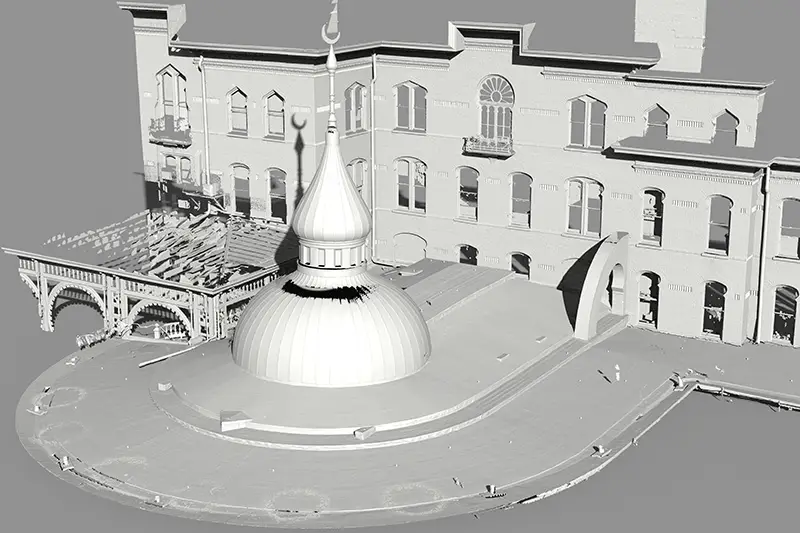
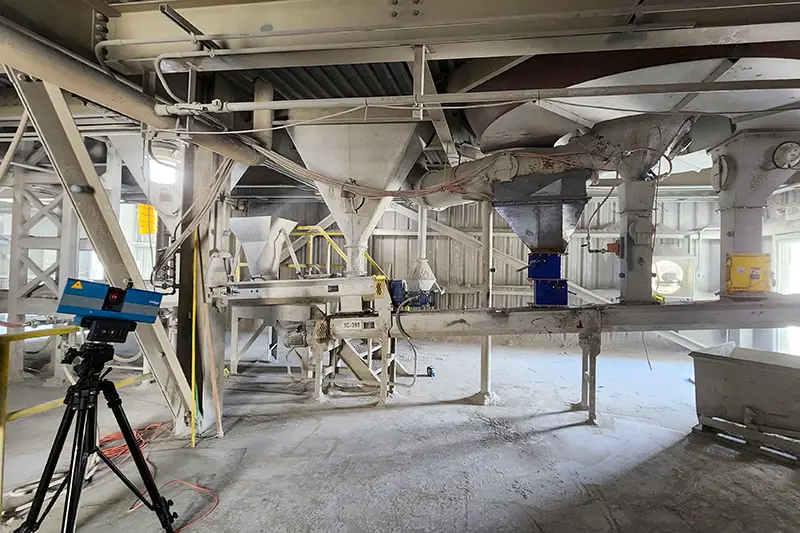
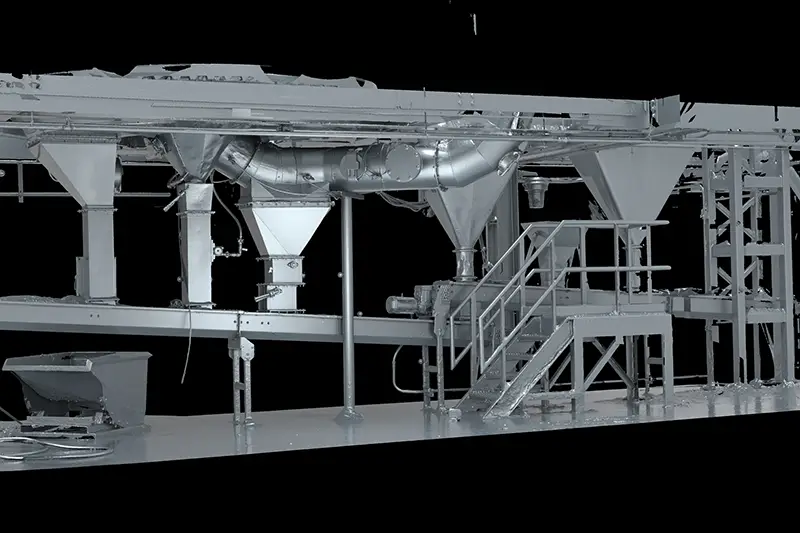
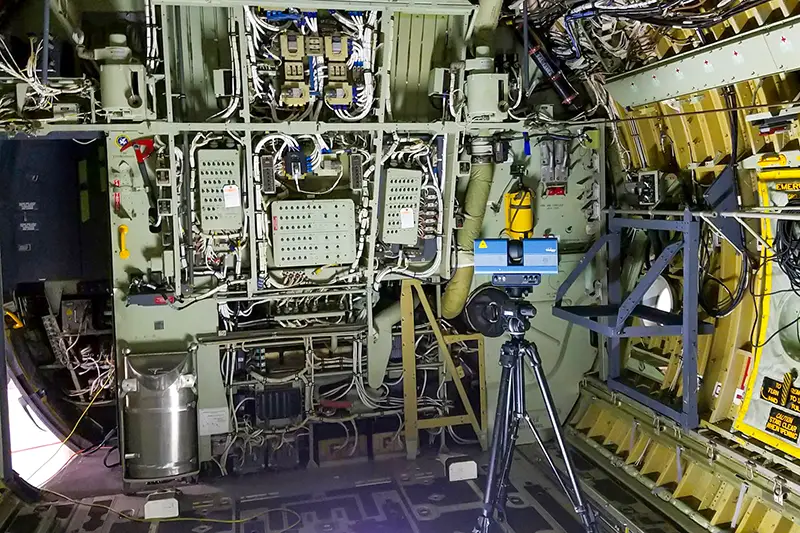
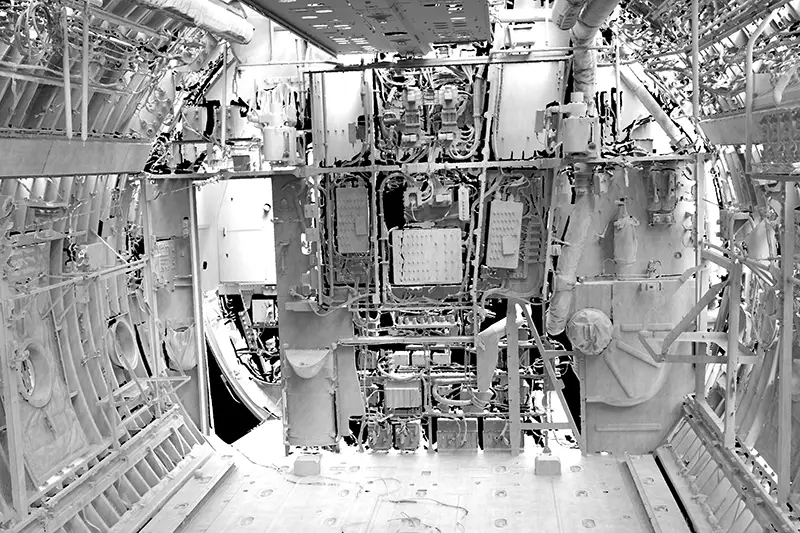
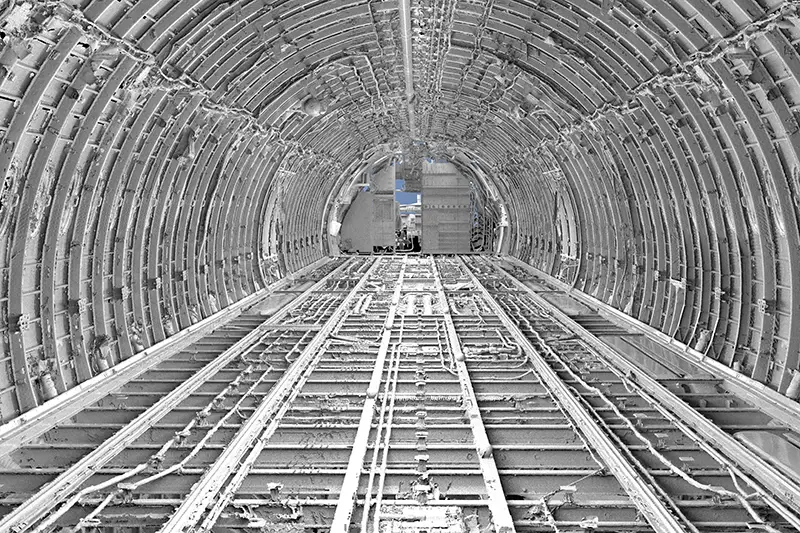
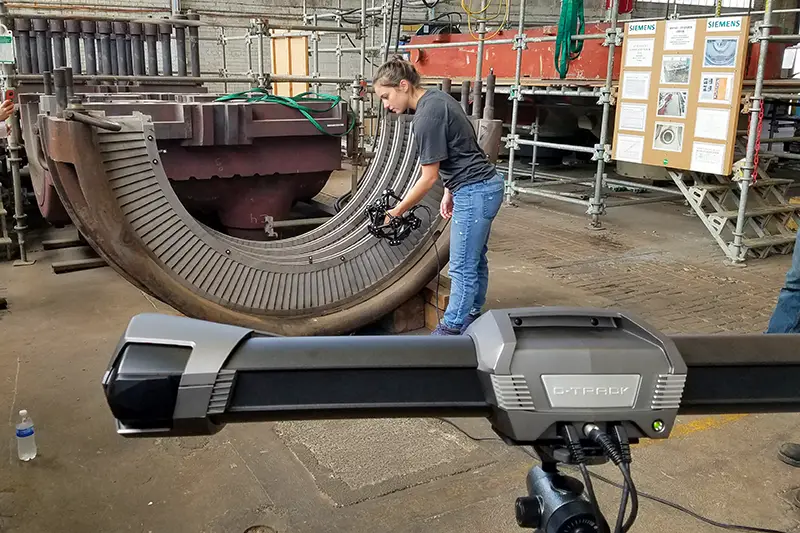
Long-range 3D scanning is the process of capturing highly accurate measurements and geometry of large objects, structures, or environments from a distance using advanced laser scanning technology. Unlike handheld scanners designed for small to medium-sized parts, long-range scanners are built to capture everything from entire buildings and industrial plants to ships, aircraft, bridges, large tooling, and complex facilities. These systems collect millions of precise data points to create a detailed 3D digital representation, often called a point cloud, that can be used for inspection, engineering, CAD modeling, reverse engineering, layout verification, and documentation.
Benefits of long-range 3D scanning include:
Long-range 3D scanning is commonly used in industries such as aerospace, automotive, marine, energy, manufacturing, architecture, construction, and heavy industrial facilities where large objects or environments need to be captured quickly and accurately.
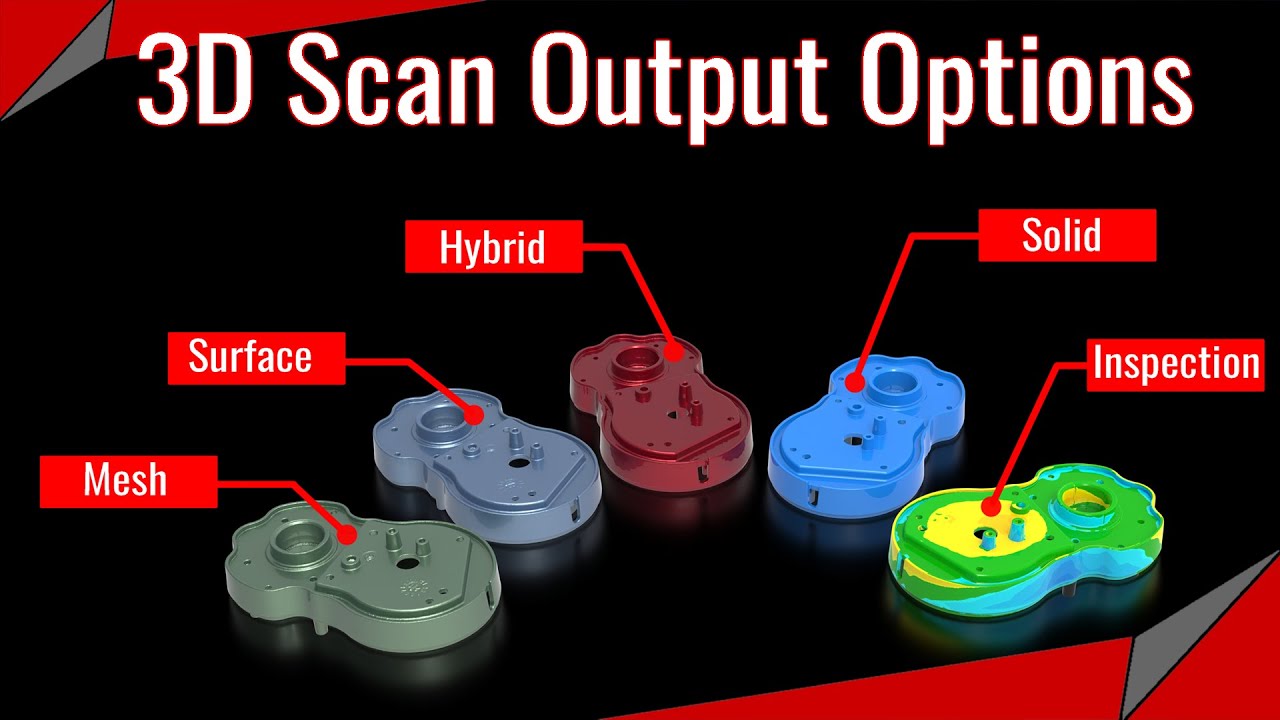
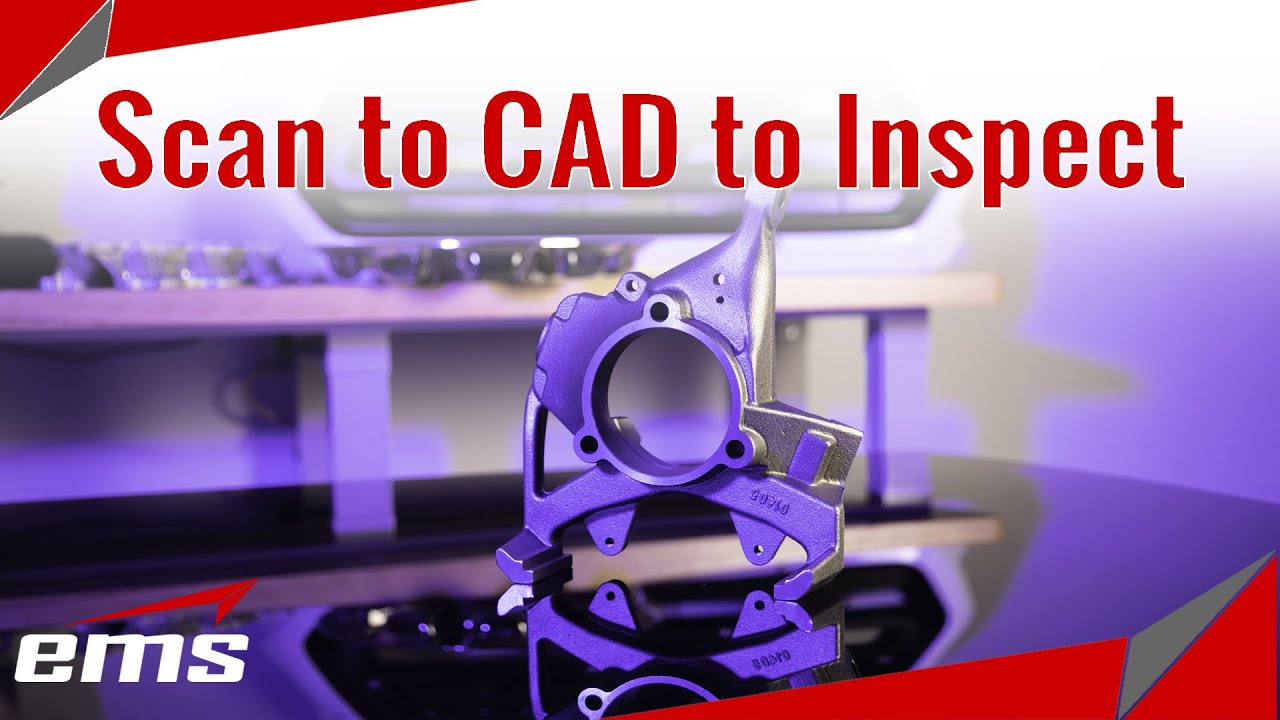
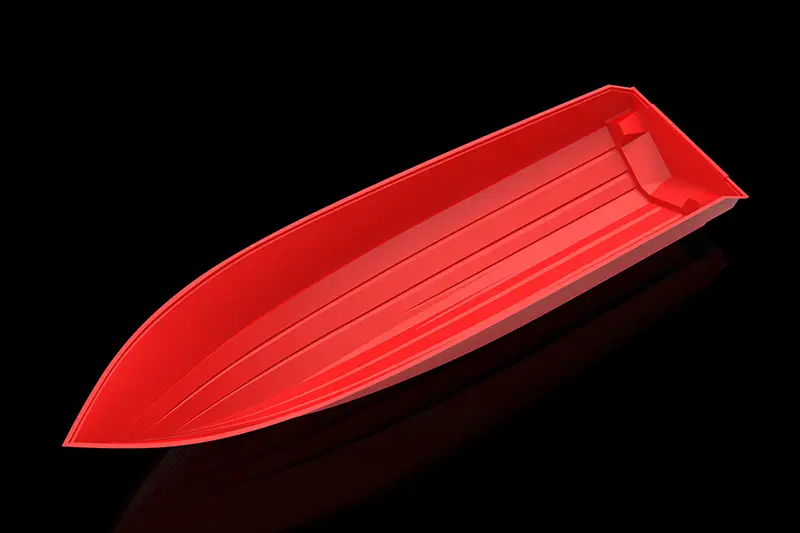
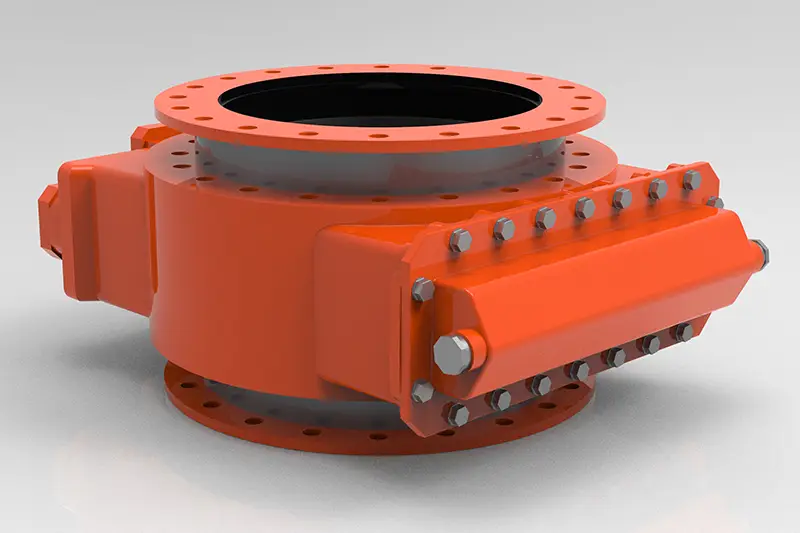
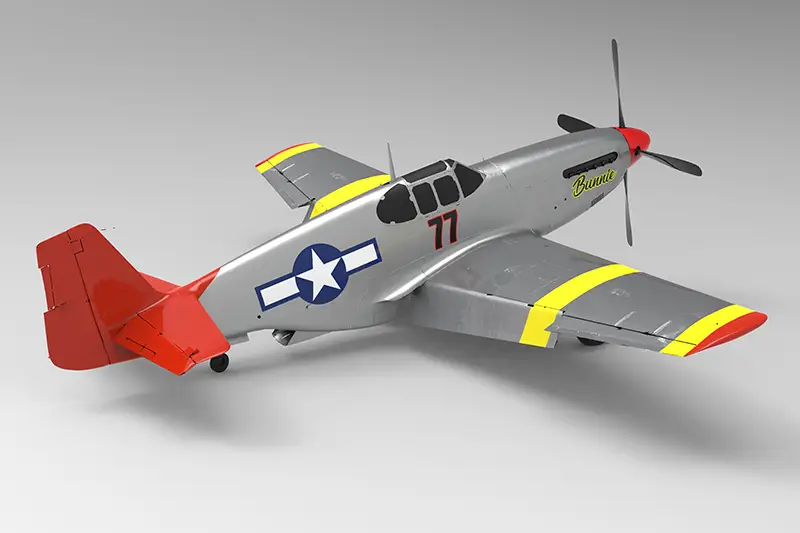
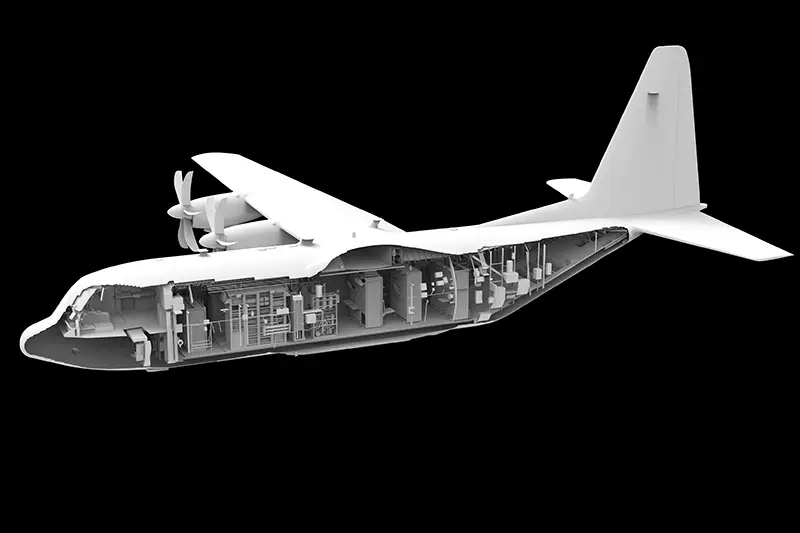
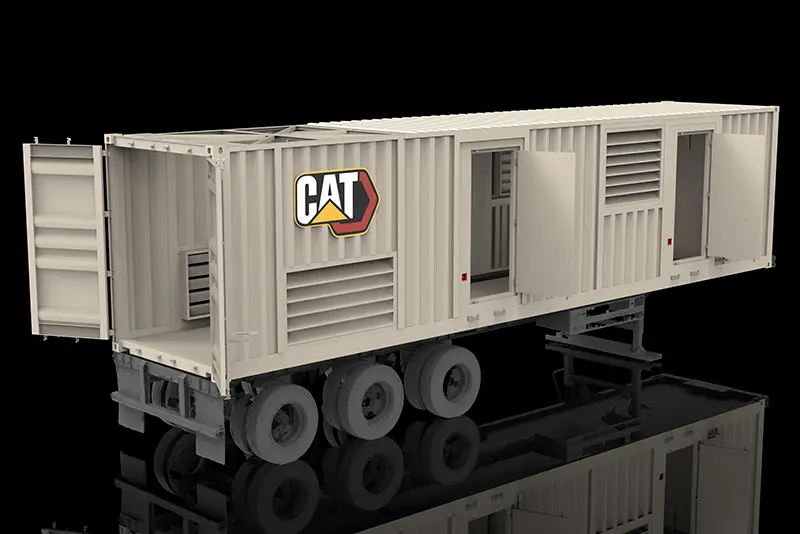
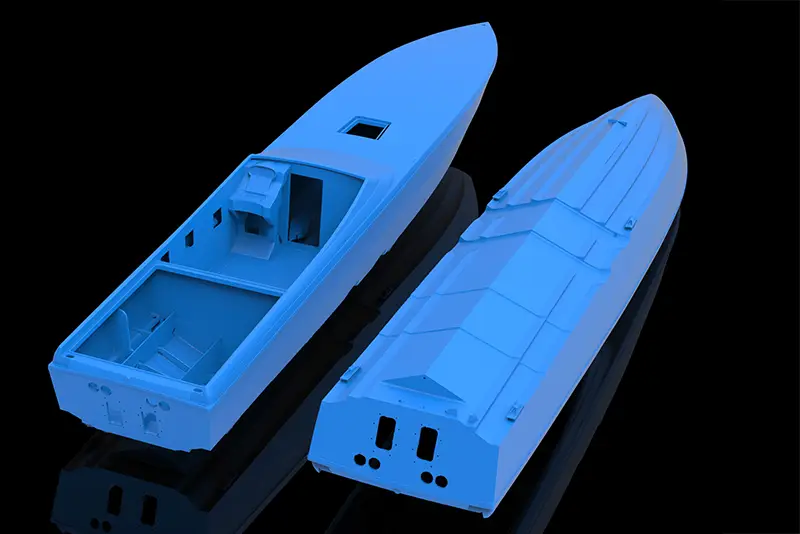
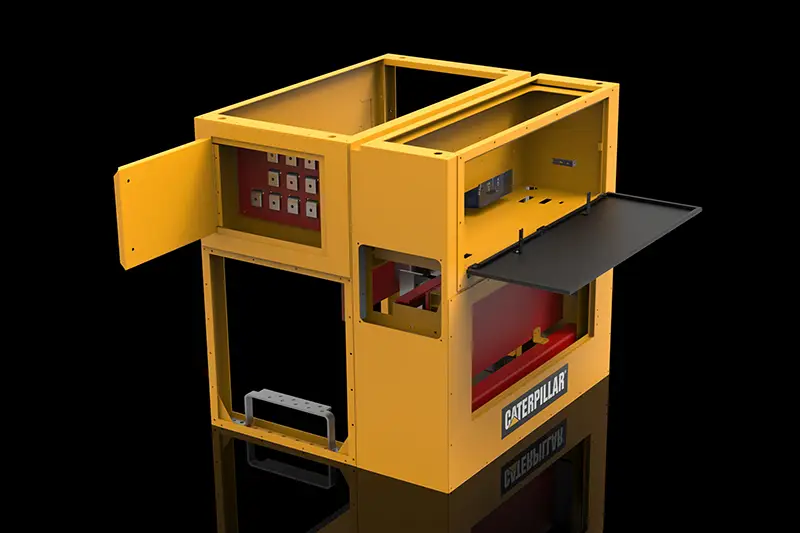
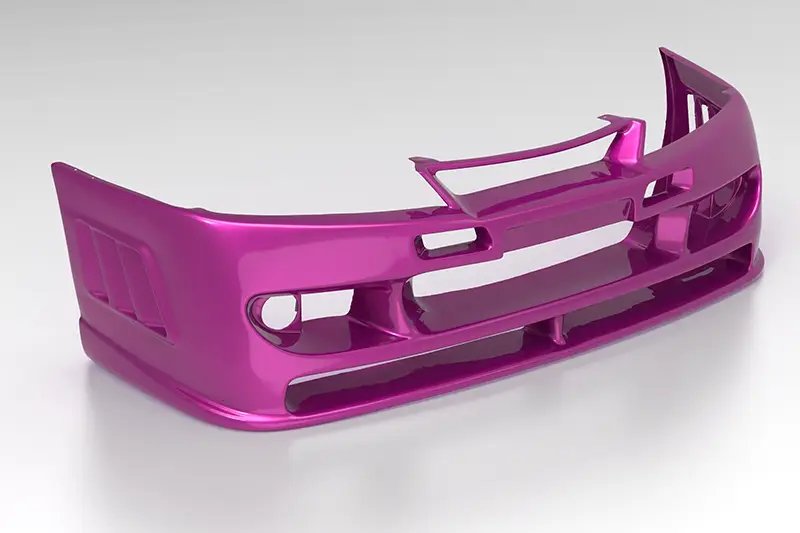
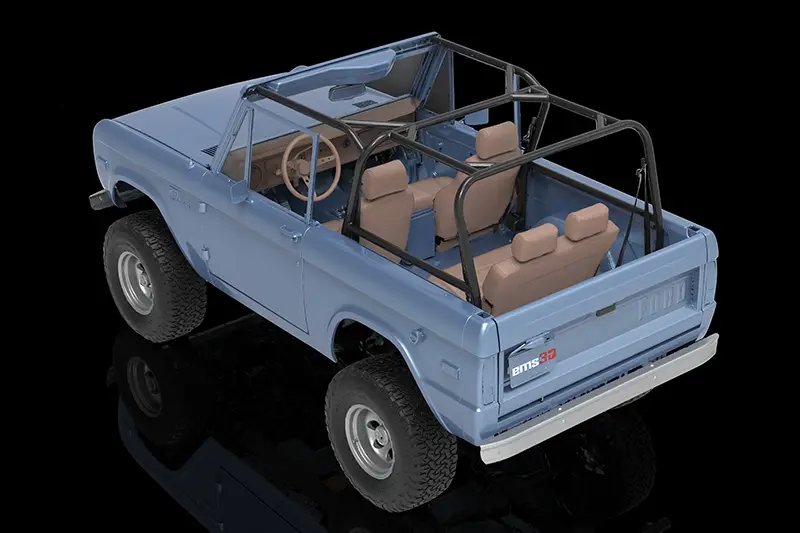
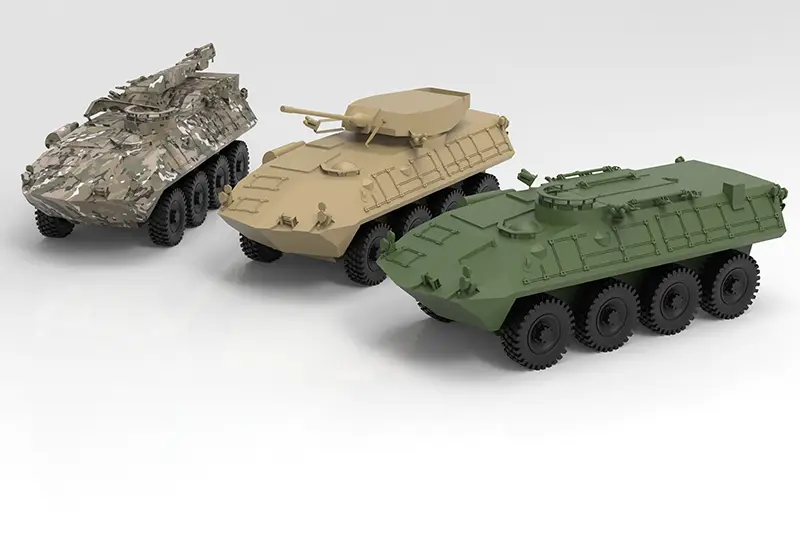
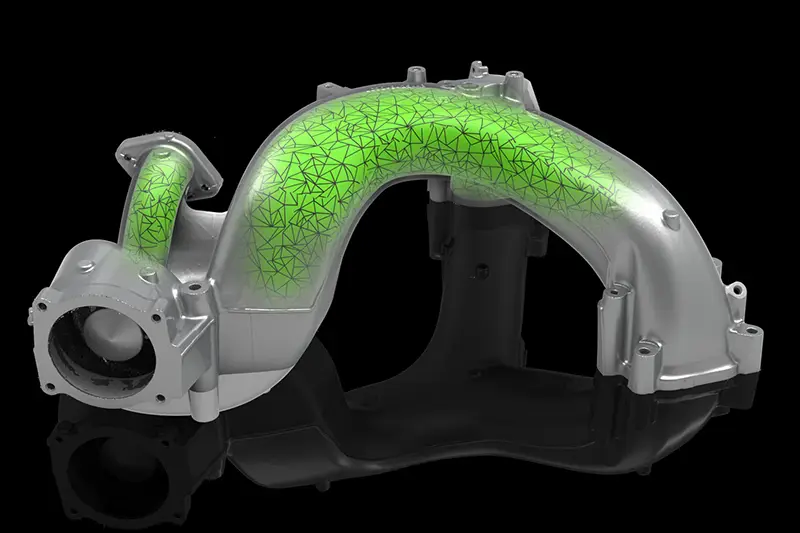
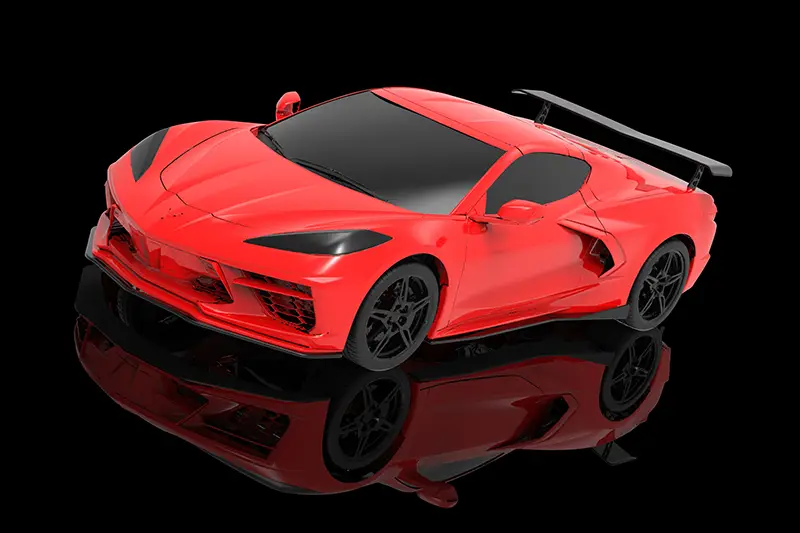
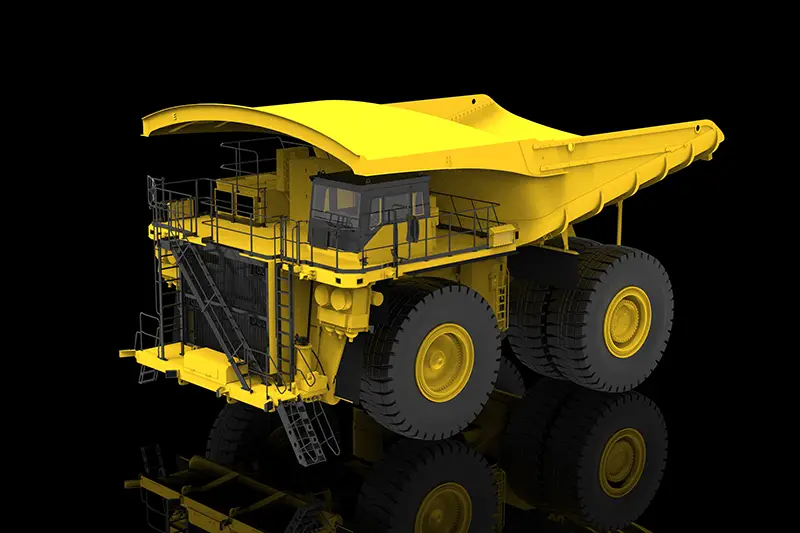
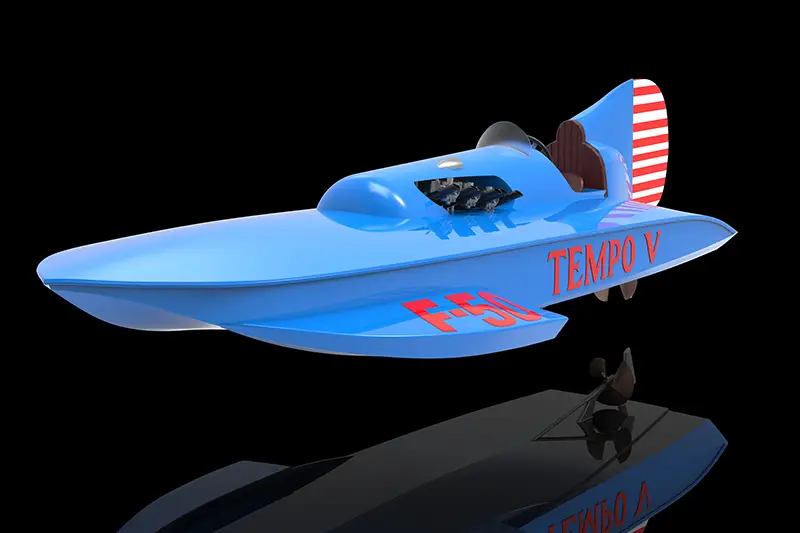
Reverse engineering and CAD modeling is the process of converting 3D scan data into accurate, fully editable CAD models for engineering, manufacturing, inspection, and product development applications. Using advanced 3D scanning technology combined with professional reverse engineering software, physical parts and assemblies can be digitally recreated into parametric solid models, surfaces, sheet metal components, and full mechanical assemblies.
At EMS, we specialize in developing high-quality CAD models from 3D scan data ranging from small precision components to large industrial assemblies, vehicles, tooling, marine components, aerospace structures, and complex freeform geometry. Our reverse engineering workflows allow customers to reproduce obsolete parts, modernize legacy components, improve existing designs, validate manufacturing accuracy, and accelerate product development.
Our team works directly from high-accuracy scan data captured using ISO-certified and calibrated metrology equipment to ensure the final CAD models accurately represent the physical part geometry. Deliverables can include native CAD files, neutral formats, manufacturing drawings, and fully organized assemblies ready for engineering and production workflows.
Benefits of reverse engineering and CAD modeling include:
Our reverse engineering and CAD modeling services provide companies with a fast and accurate way to transform existing physical components into precise digital engineering data that can be used throughout the entire product lifecycle, from design and analysis to manufacturing and inspection.
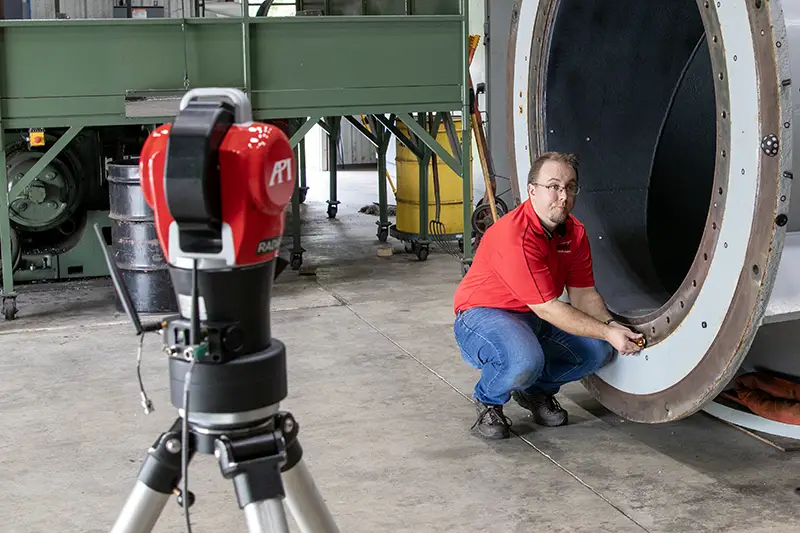
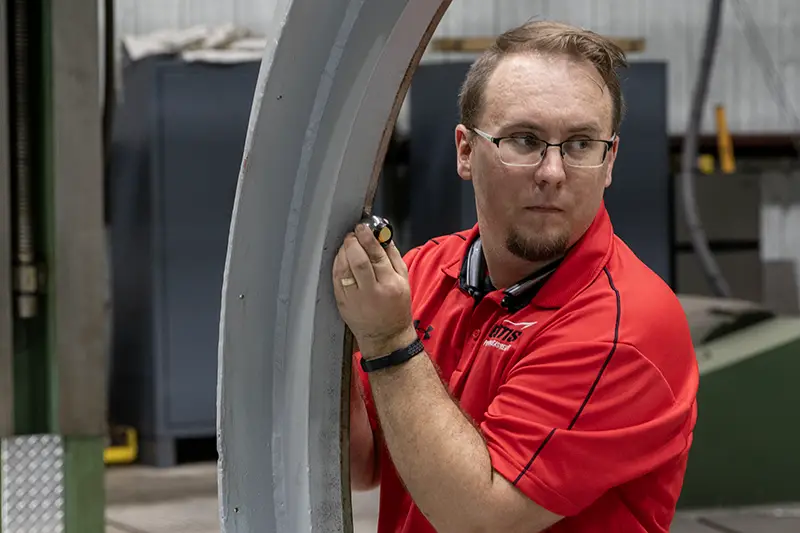
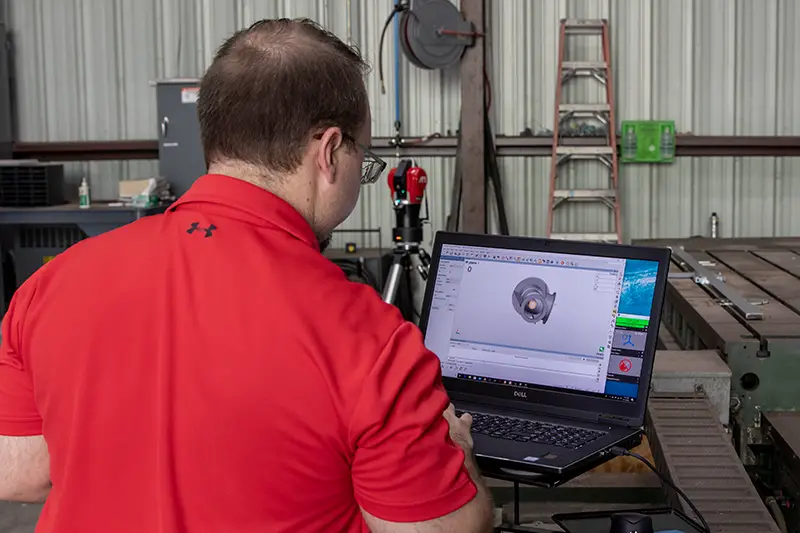
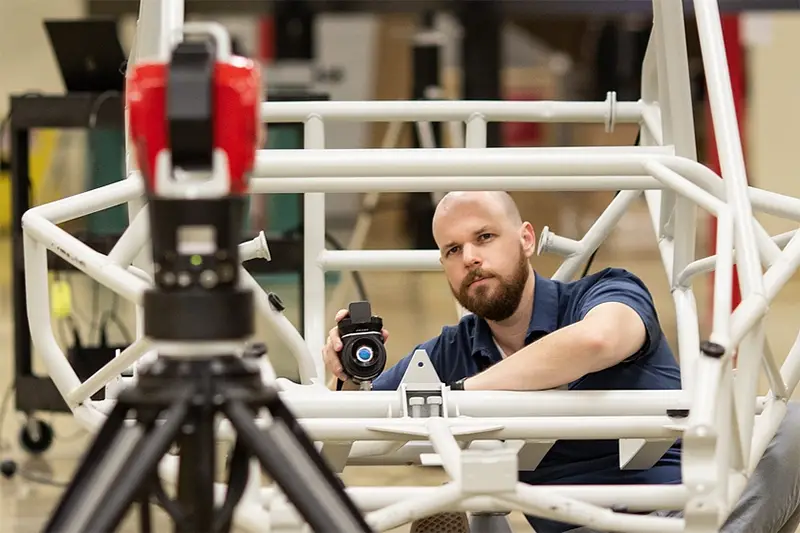
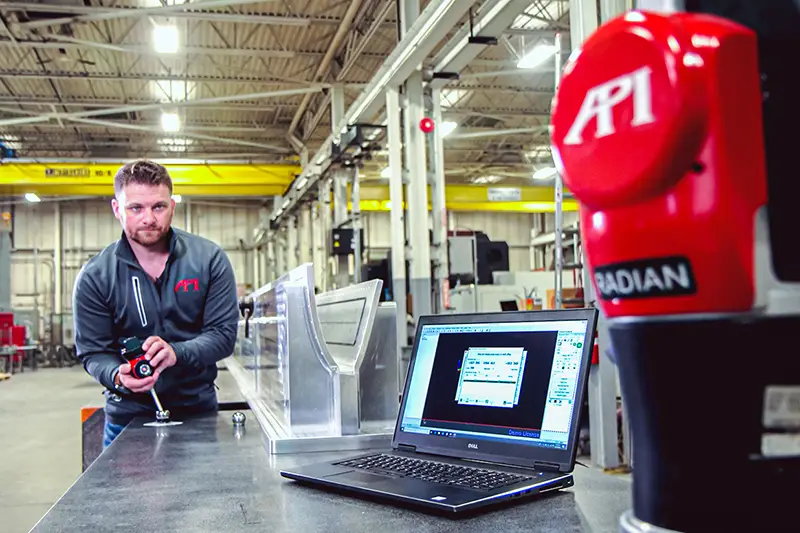
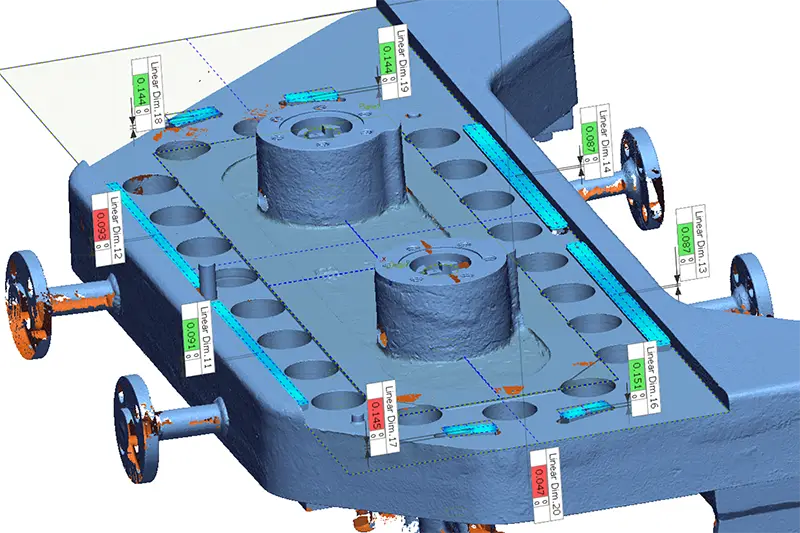
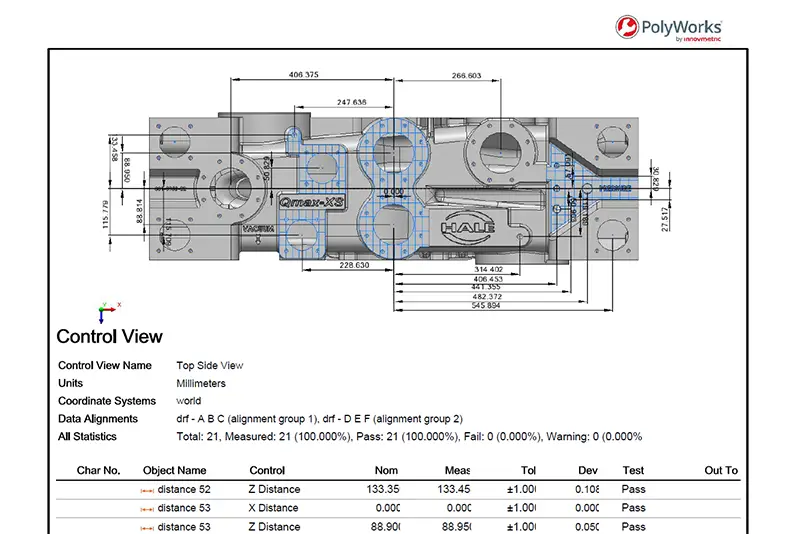
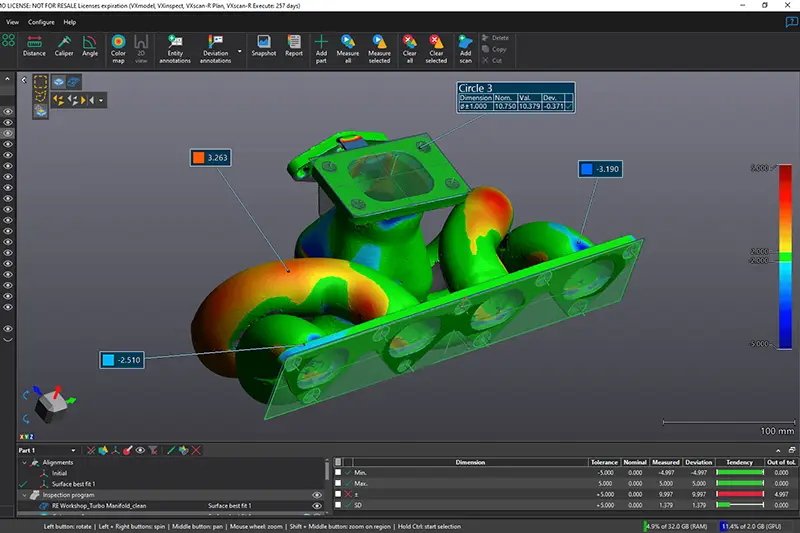
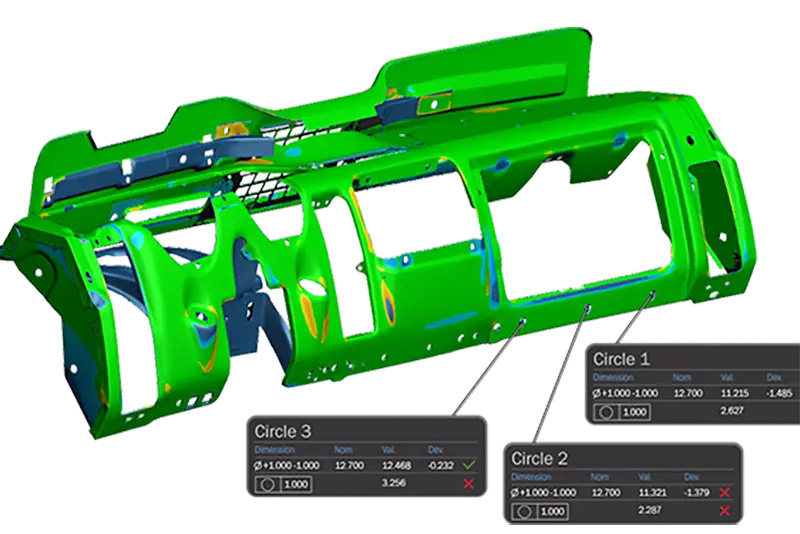
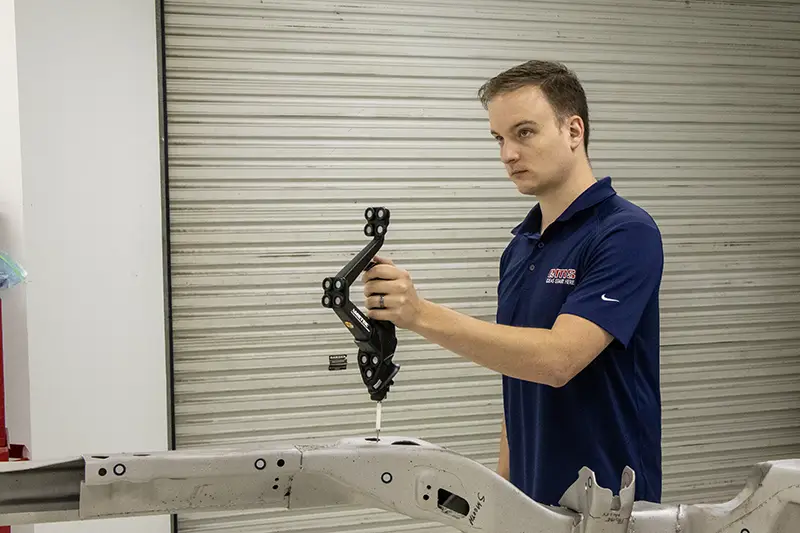
EMS3D provides advanced dimensional inspection services using a wide range of metrology technologies including handheld 3D scanners, laser trackers, long-range laser scanners, radar/LADAR systems, portable probing systems, and other high-accuracy measurement equipment. By capturing highly detailed measurement data from virtually any size component or environment, we are able to generate comprehensive inspection reports and analysis packages that help customers validate manufacturing quality, troubleshoot assembly issues, verify tolerances, and identify dimensional problems before they become costly failures.
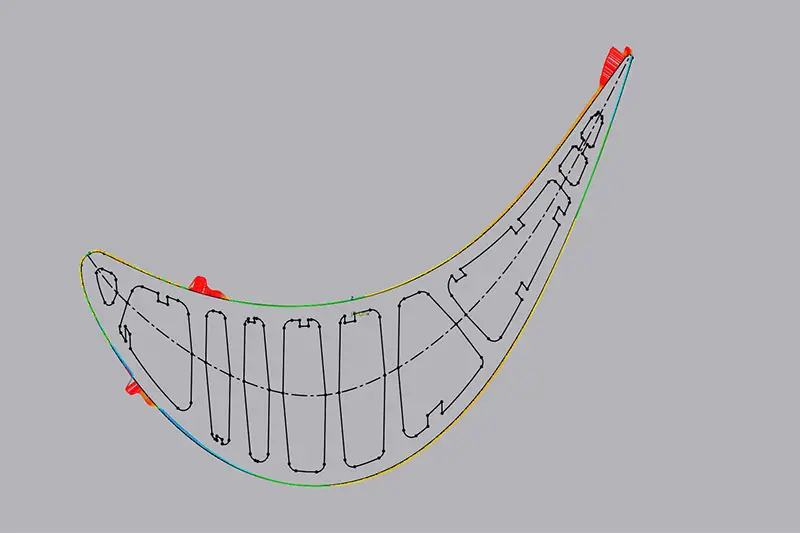
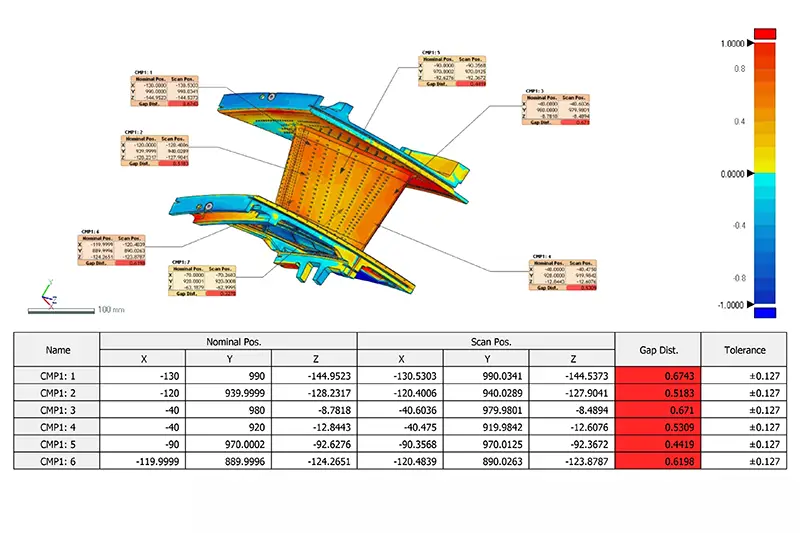
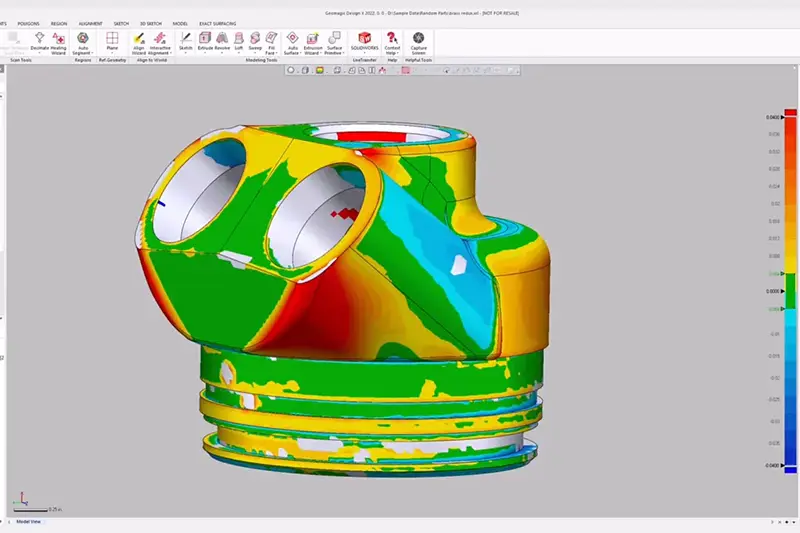
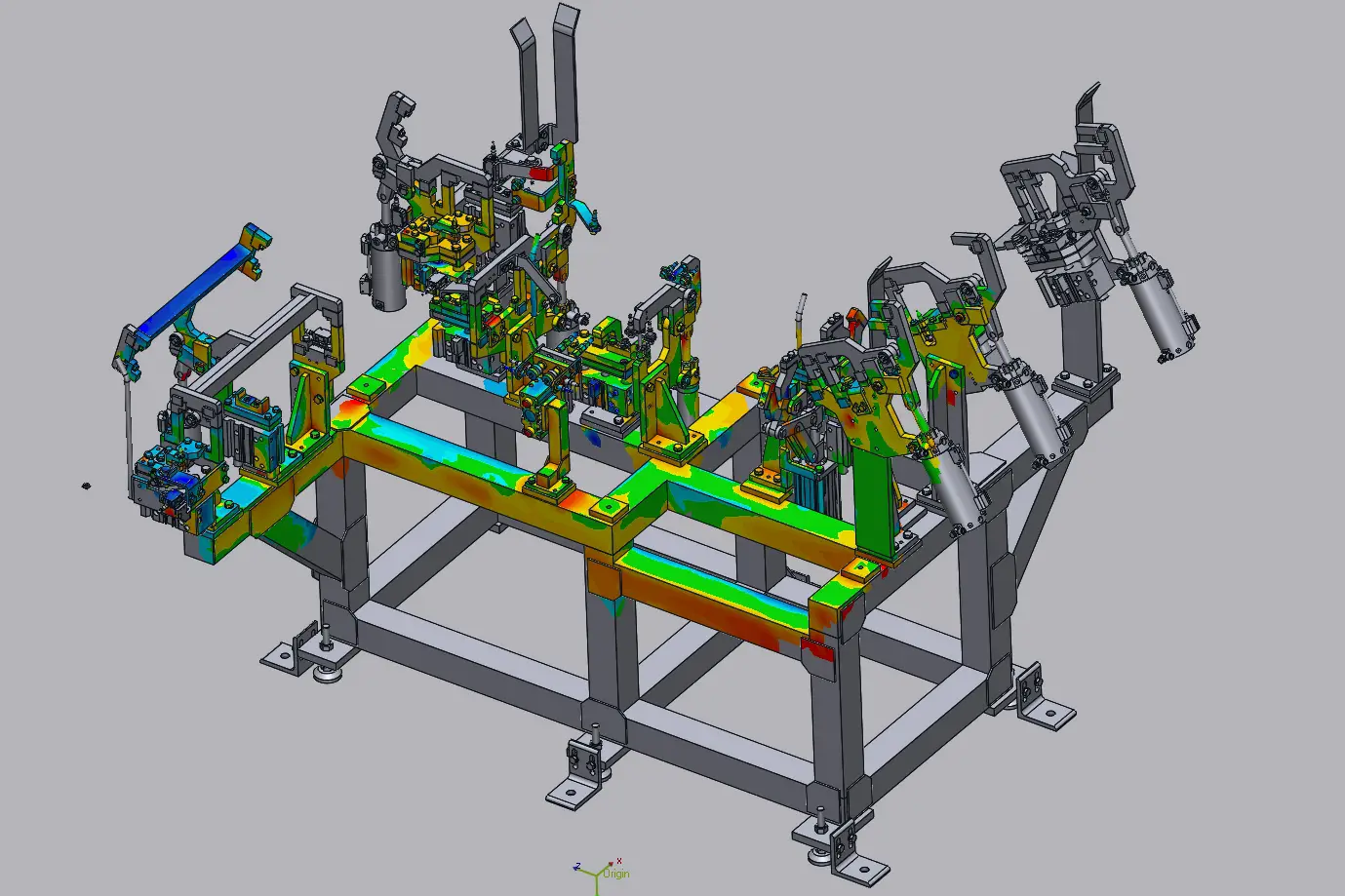
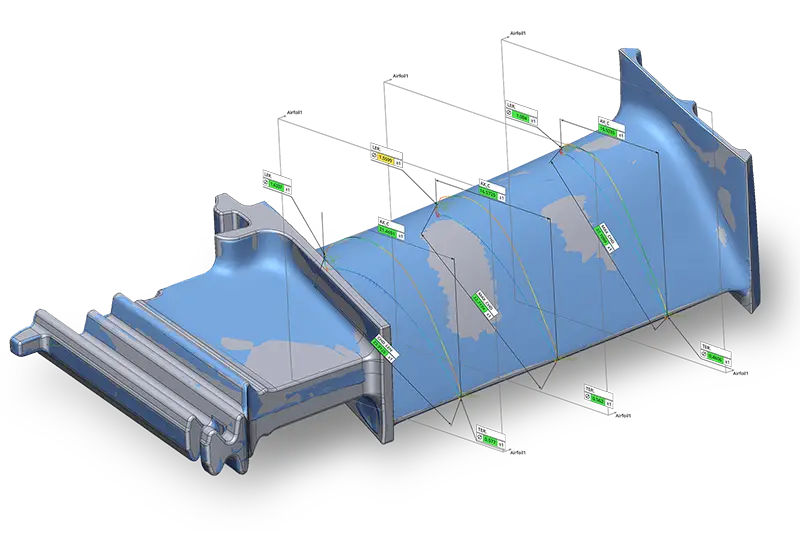
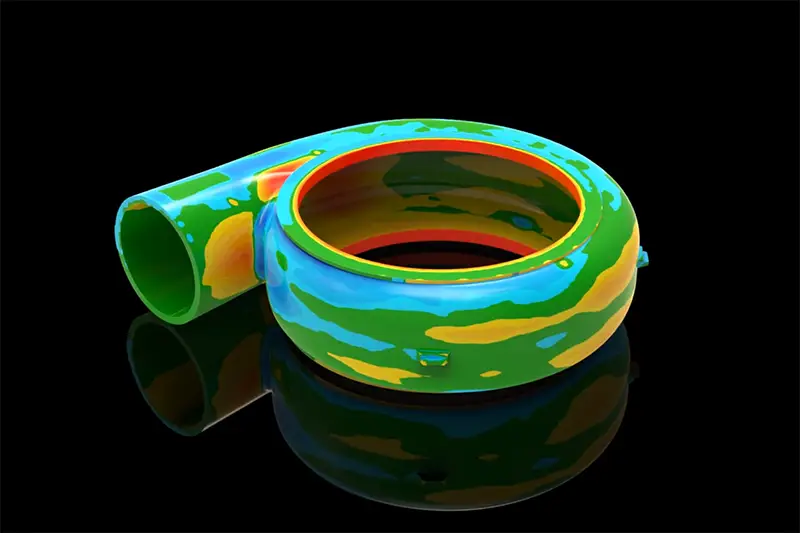
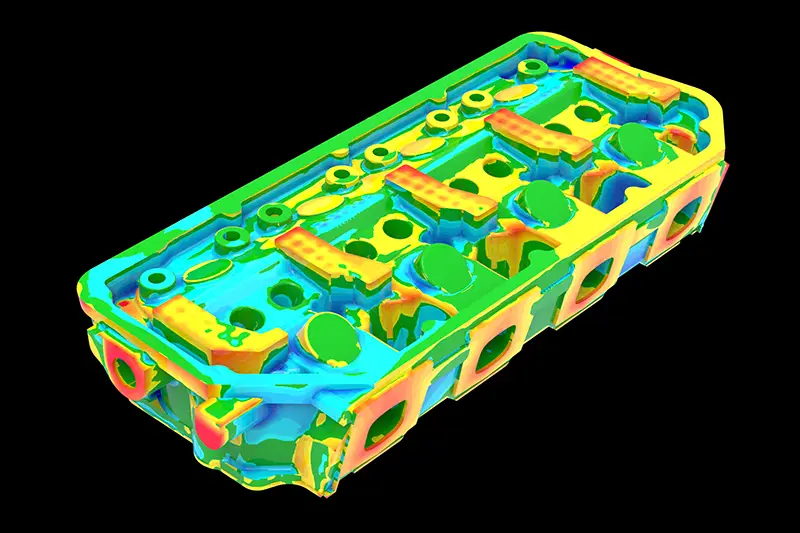
Whether inspecting small precision-machined parts, large assemblies, tooling, fixtures, aerospace structures, marine components, or industrial facilities, EMS can create detailed inspection documentation tailored to the customer’s specific requirements. Reports can include color deviation mapping, GD&T analysis, CAD-to-part comparison, alignment verification, feature inspection, trend analysis, spreadsheets, tabulated data, and full engineering documentation.
Advantages of EMS 3D dimensional inspection services include:
EMS3D dimensional inspection services provide companies with accurate, reliable, and actionable measurement data that can be used to improve manufacturing quality, validate assemblies, reduce production issues, and support engineering and quality assurance workflows.
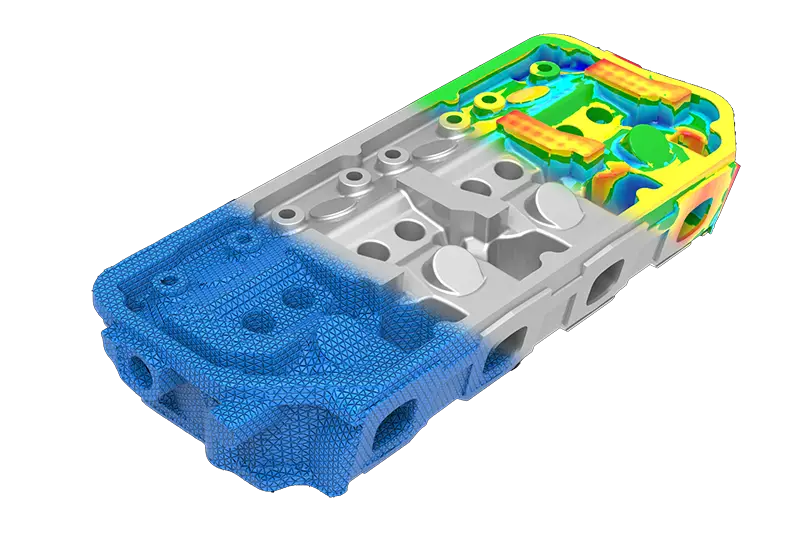
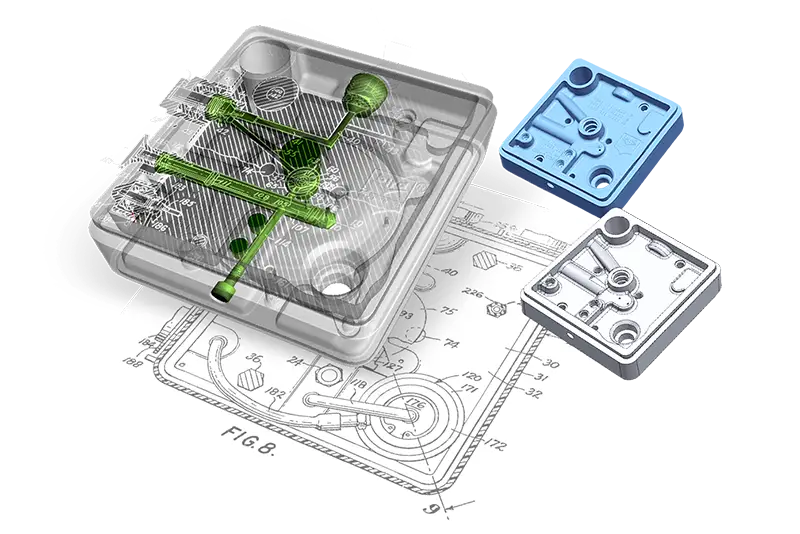
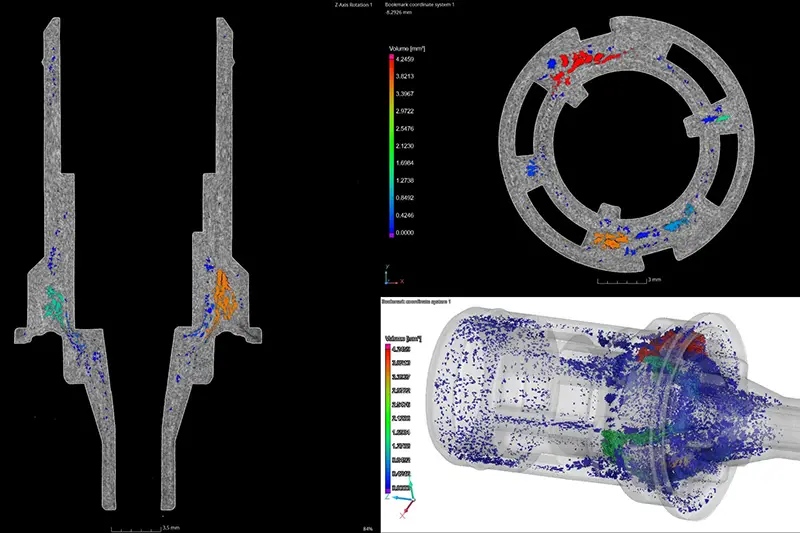
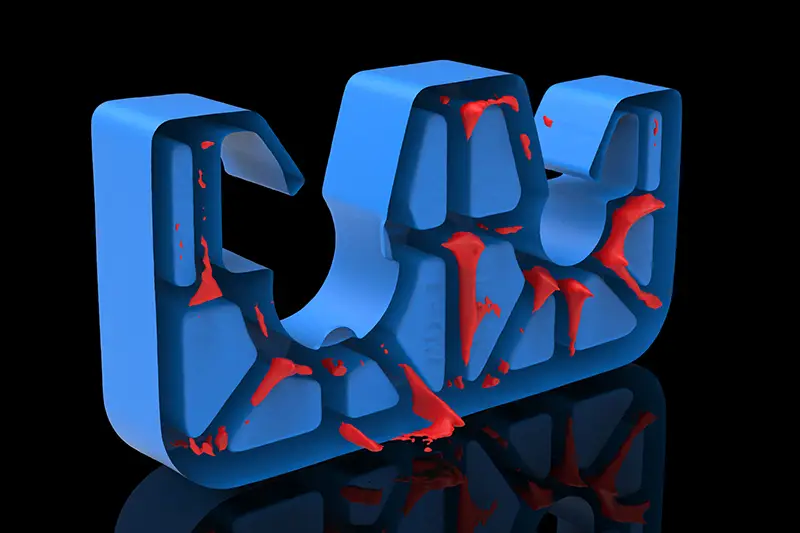
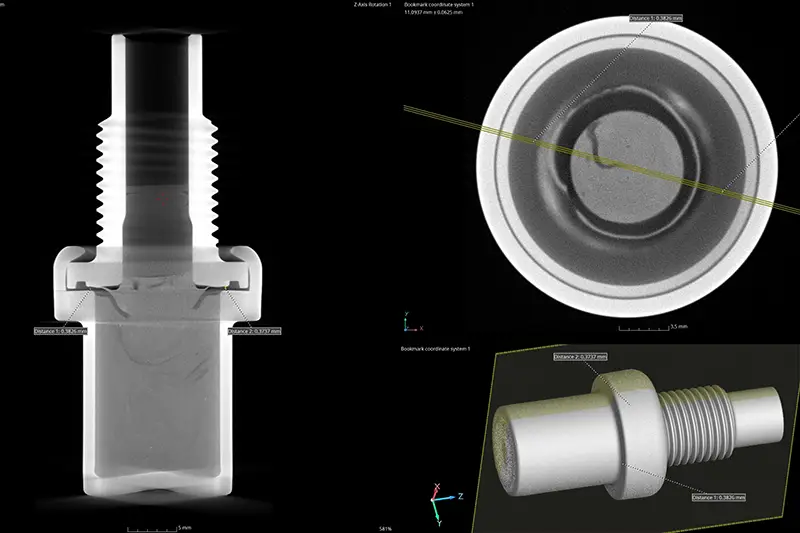
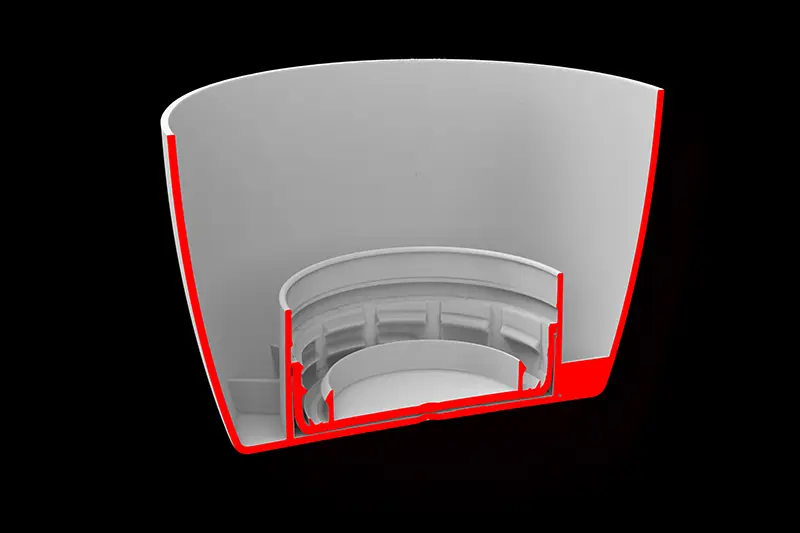
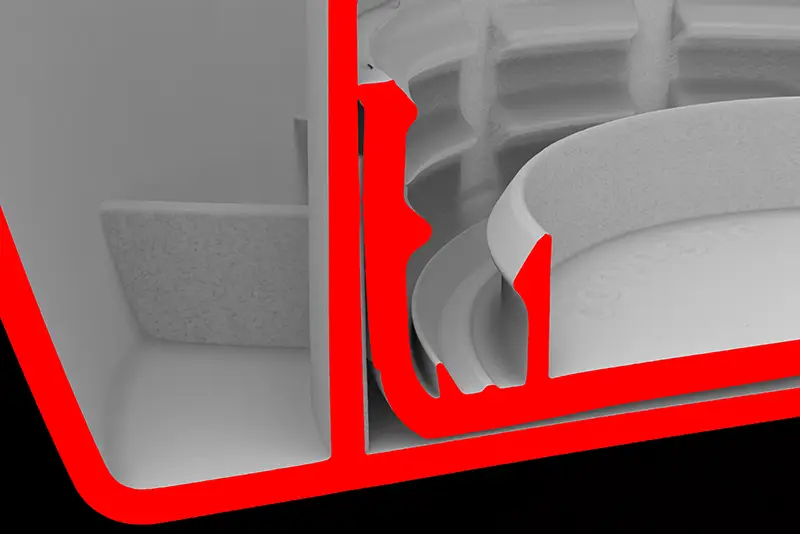
Industrial CT scanning, also known as computed tomography scanning, is an advanced non-destructive inspection technology that allows engineers to see both the external and internal geometry of a part without cutting, damaging, or disassembling it. Using high-resolution X-ray imaging, industrial CT scanning creates a complete 3D digital model of a component, making it possible to inspect internal features, hidden assemblies, wall thicknesses, and complex geometries that traditional measurement methods cannot access.
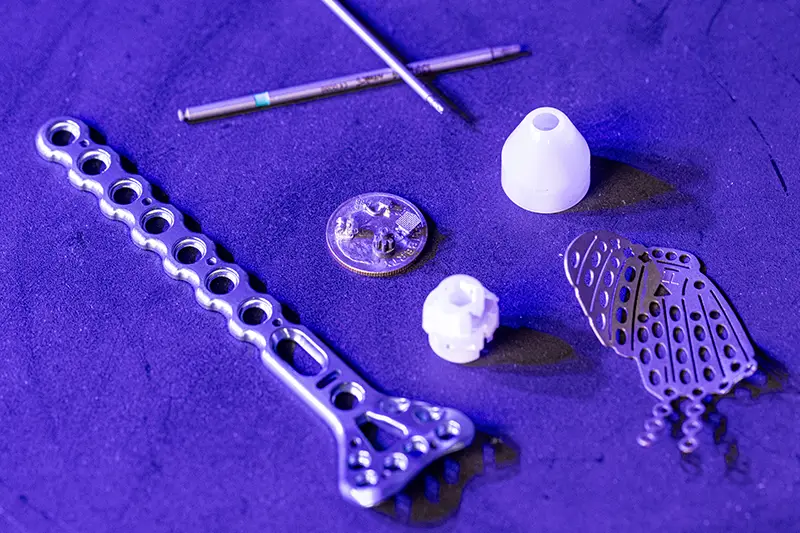
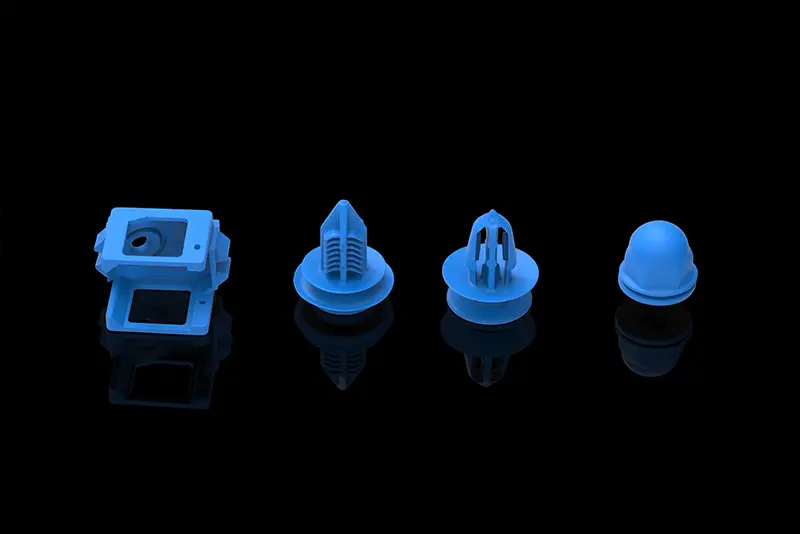
Industrial CT scanning is widely used for dimensional inspection, reverse engineering, first article inspection (FAI), failure analysis, and quality control across industries such as aerospace, automotive, medical, additive manufacturing, electronics, defense, and energy. The technology is especially valuable for inspecting castings, plastic injection molded parts, composite materials, batteries, turbine components, and intricate assemblies with internal passages or hidden features.
Benefits of industrial CT scanning include:
Industrial CT scanning provides a powerful way to validate product quality, investigate failures, improve manufacturing processes, and capture highly detailed internal geometry that would otherwise be impossible to inspect using conventional measurement technologies.
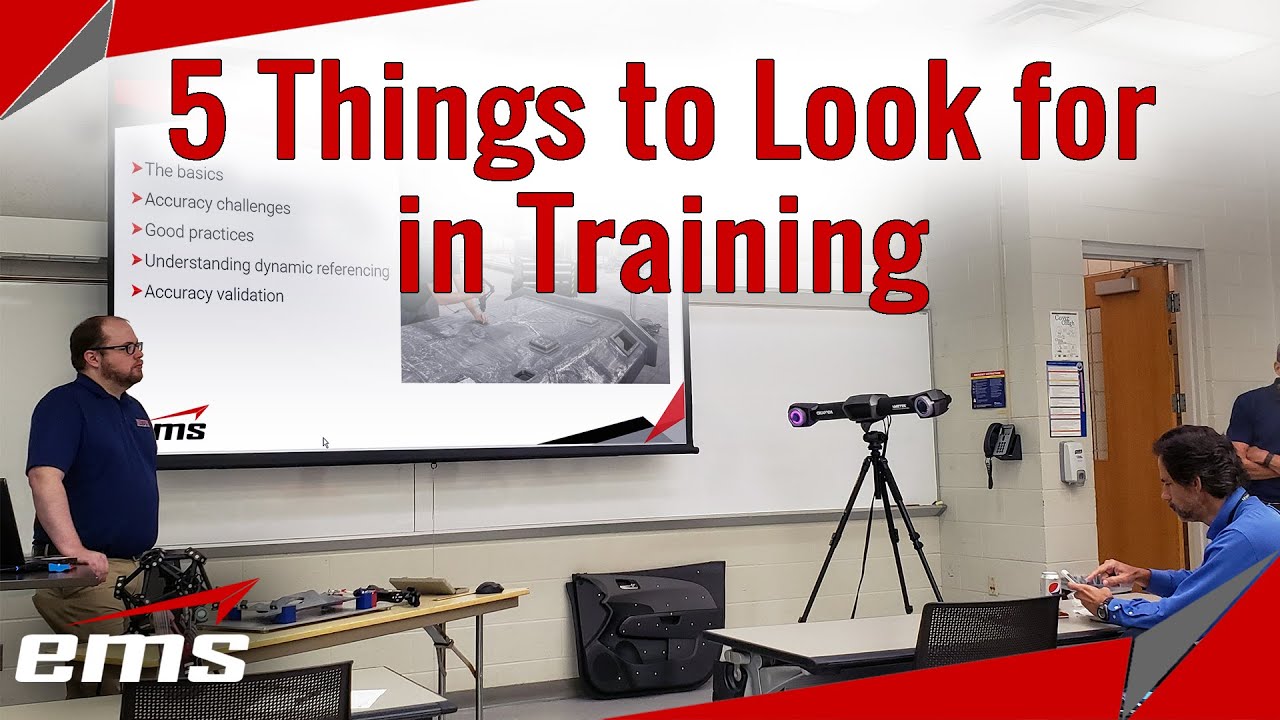
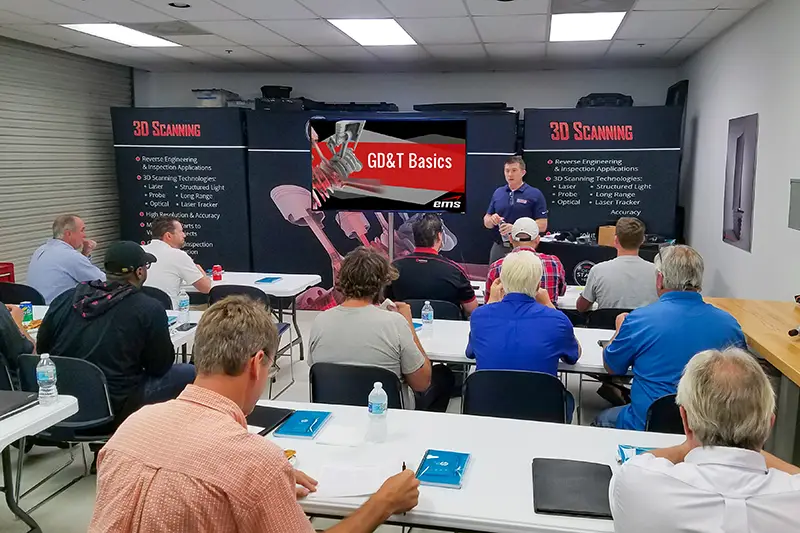
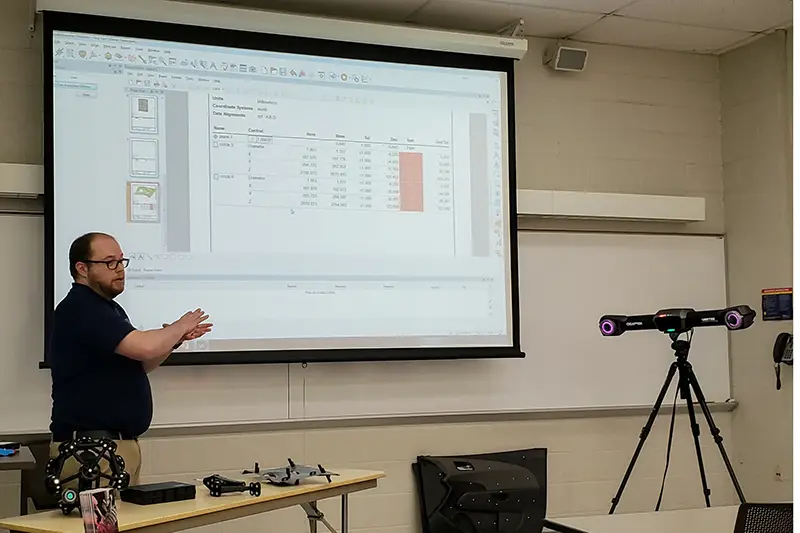
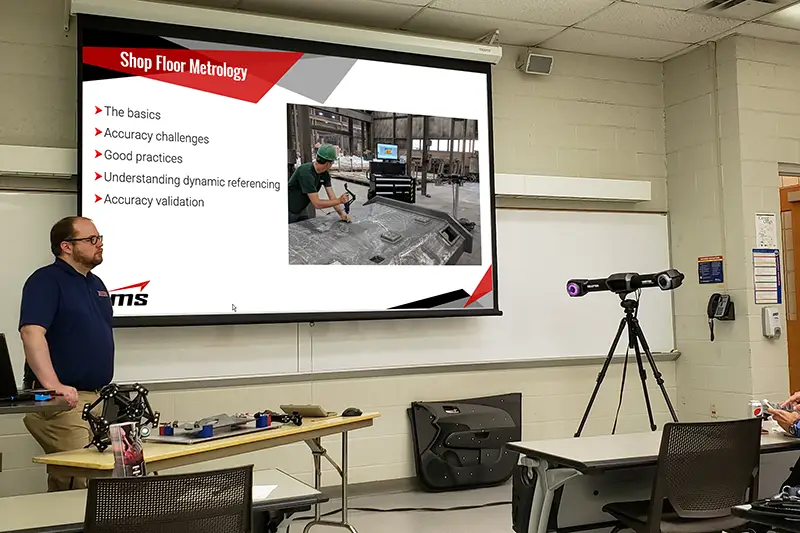
EMS provides fully customized training programs designed specifically around each customer’s equipment, applications, industry, and user experience level. Unlike generic classroom-style training, our courses are tailored to the real-world workflows and challenges your team encounters on a daily basis. Whether training new operators, experienced engineers, inspection personnel, or advanced reverse engineering users, we build each class to match the exact goals, software, hardware, and processes relevant to your operation.
We offer flexible training options ranging from small hands-on sessions to large classroom environments and multi-user corporate training programs. Training can be conducted either at the customer’s facility using their actual parts and workflows or at our EMS training facility using our in-house equipment and systems. Our customized approach allows users to gain practical experience directly related to their specific applications, helping reduce downtime, improve productivity, and accelerate the adoption of advanced 3D scanning, metrology, inspection, and reverse engineering technologies.
Benefits of EMS custom training include:
Our goal is to provide practical, application-focused training that gives customers the knowledge and confidence to maximize the value of their equipment, software, and metrology workflows.