

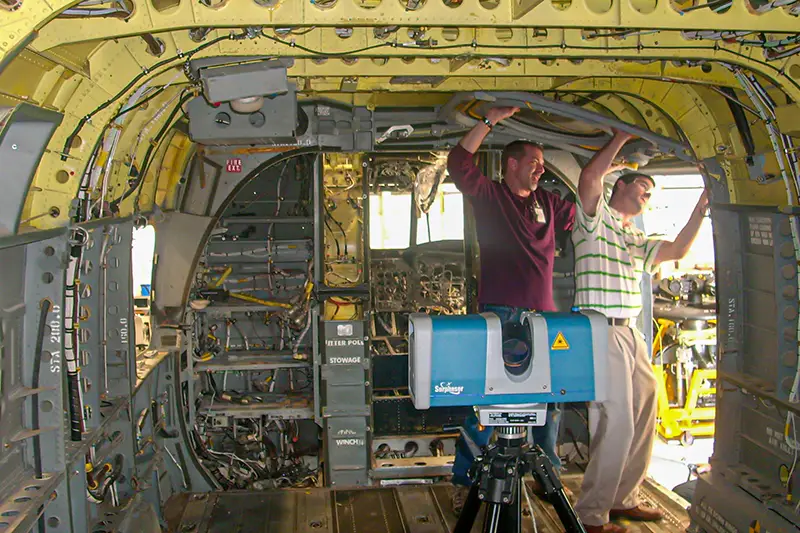
3D scanning is an essential tool in the aerospace industry, where accuracy, repeatability, and documentation are critical. High-precision laser scanners, laser trackers, and portable CMMs capture detailed geometry of aircraft components, tooling, and full airframes, producing reliable digital data for demanding environments.
This data supports reverse engineering of legacy parts, tight-tolerance dimensional inspection, damage assessment, and as-built verification for repairs and modifications. From small machined components to large composite structures, these measurement technologies help aerospace manufacturers, MRO facilities, and suppliers reduce downtime, improve quality, and keep projects on schedule.
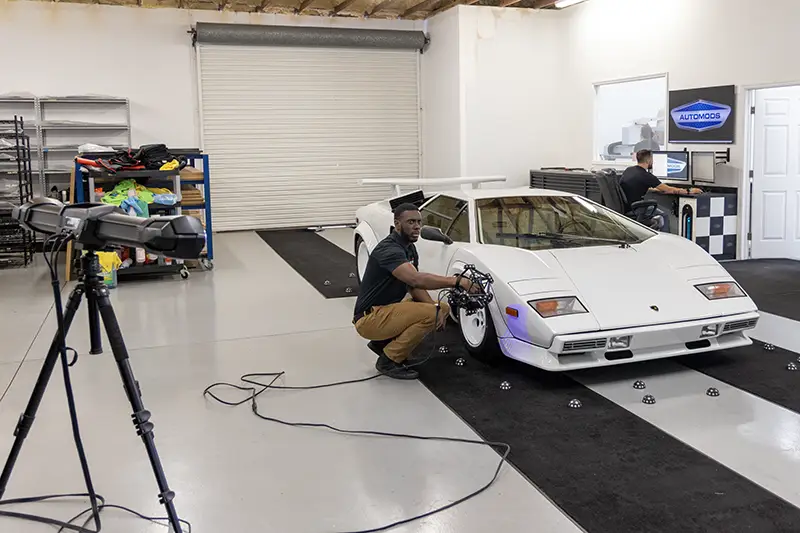

3D scanning plays a vital role in the automotive industry, where fit, form, and speed to market are essential. High-accuracy laser scanners, laser trackers, and portable CMMs capture detailed geometry of vehicle components, body panels, drivetrains, tooling, aftermarket accessories, and full assemblies.
The resulting data supports reverse engineering of legacy parts, dimensional inspection, prototype development, and verification of aftermarket or performance modifications. From small plastic clips to complete vehicle bodies, 3D measurement technologies are a requirement in today’s highly competitive automotive market.

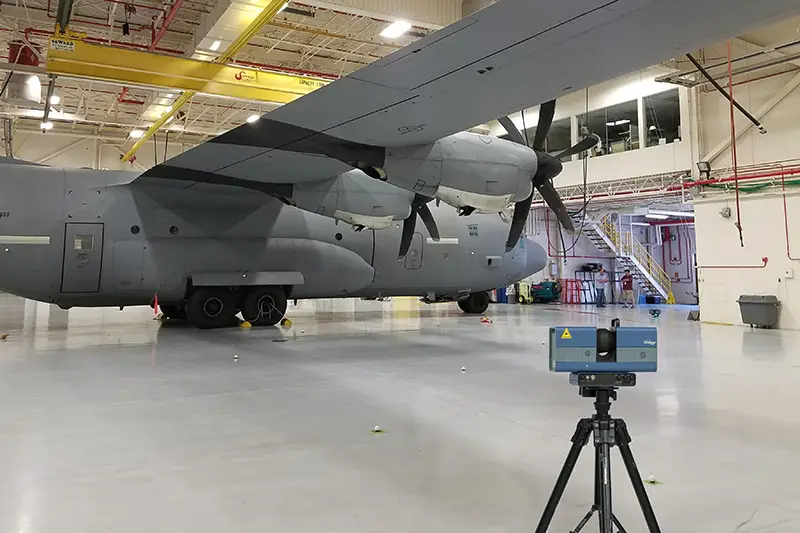
3D scanning provides the military and defense sector with accurate, real-world measurement data for equipment that often lacks reliable drawings or must remain in service far longer than originally intended. Vehicles, aircraft, weapons systems, and support equipment can be captured digitally without disassembly.
This data is used to reverse engineer hard-to-find replacement parts, inspect critical components for wear or damage, verify repairs, and ensure upgrades fit correctly the first time. By working from trusted digital data on North America–manufactured hardware and software, defense organizations reduce downtime, improve readiness, and make informed maintenance and modernization decisions.
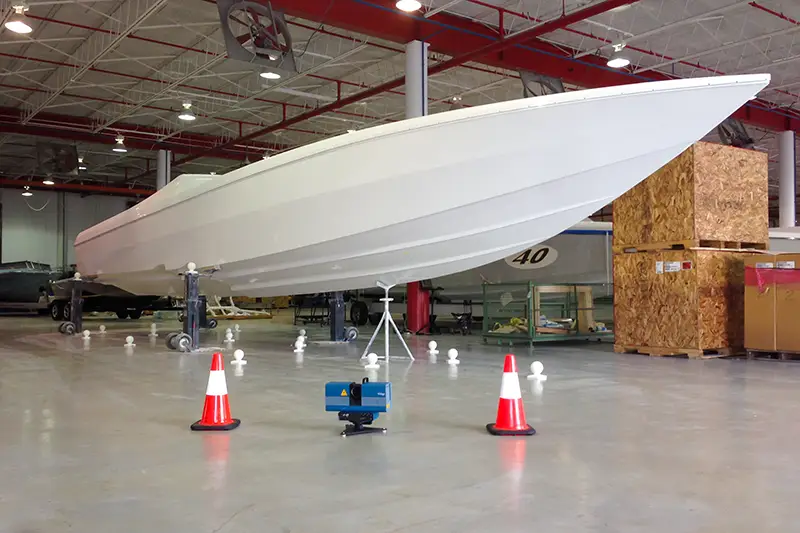

3D scanning offers the marine industry an accurate and practical way to capture boats, components, hardware, engines, powertrains, and tooling as they exist in the real world. Hulls, decks, running gear, and fiberglass molds can be digitized without contact, creating reliable digital records.
This data is used to reverse engineer discontinued parts, verify fit between major assemblies, inspect composite structures for distortion, and recreate worn or damaged molds. By working from precise digital measurements instead of templates and manual tools, marine professionals reduce rework, improve quality, and keep projects moving on schedule.

3D scanning and measurement technologies support the energy, power generation, and oil & gas industries by capturing accurate data for complex, high-value equipment that is often difficult to access. Turbines, generators, piping systems, structural steel, and large rotating equipment can be documented without major disassembly.
This data supports retrofit planning, life-extension projects, alignment verification, and documentation of wear, distortion, or corrosion before failures occur. By relying on accurate digital models instead of field sketches, operators and service providers reduce outage time, prevent fit-up issues, and make confident decisions during maintenance and upgrades.
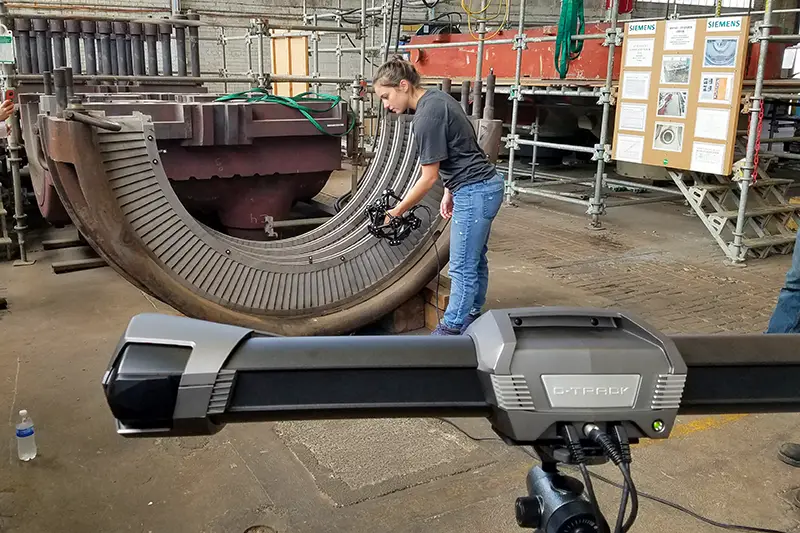
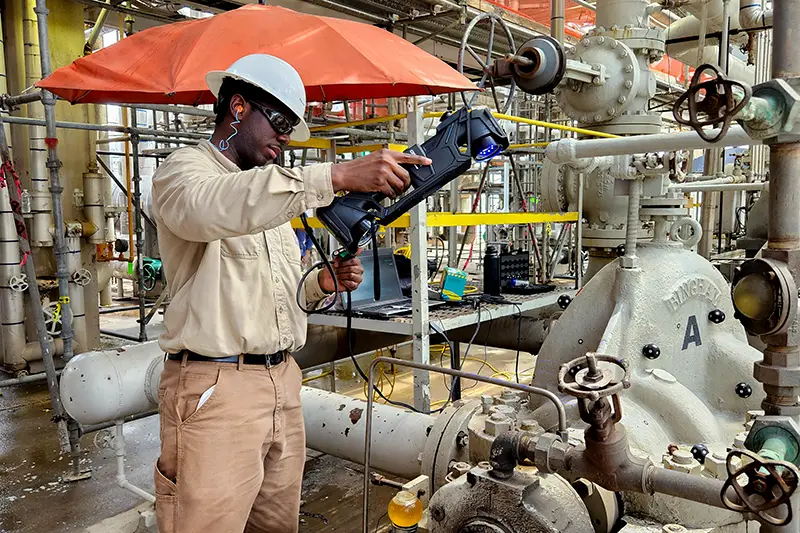

3D scanning supports metal fabrication, heavy industry, and general manufacturing by delivering fast, accurate measurements of parts and assemblies that are too large or complex for traditional tools. Fabricated structures, weldments, fixtures, machined components, and production lines can be captured in their true as-built condition.
This data is used to verify fit prior to installation, inspect parts against CAD models, reverse engineer legacy components, and identify distortion caused by welding or heat. By working from precise digital information instead of manual measurements, manufacturers reduce rework, improve quality, and keep production moving efficiently.
